





Skip links

NUX Registration

Reducing drop-off and increasing activation through intuitive onboarding.

✦ UX Design
✦ Onboarding Design
✦ @Azerion

Project Brief

A Registration Flow Redesign for the Social Game "Smeet"

This project focused on reimagining Smeet’s registration experience to create a more engaging and intuitive first interaction for new players. The goal was to transform an outdated sign-up flow into a seamless onboarding journey that reduces early user drop-off.

Details

Platform

Mobile, Desktop

Team Size

Sole Ownership

Focus

User Research, Competitive Analysis, UX Design

TLDR

As the sole UX/UI designer, I analyzed the existing registration flow to identify usability pain points and outdated interaction patterns. The redesign was approached mobile-first, focusing on layout clarity, accessibility, and error handling. Due to limited data, most insights were gathered through qualitative research and observation. The updated flow introduced refined visual hierarchy, improved form interactions, and a new “starting room” feature, resulting in a smoother and more coherent onboarding experience across platforms.

The Final Design

Understanding the Player

Empathize

01

To understand where the registration flow was failing, I examined the existing user journey and identified friction points through usability testing, even with severely limited tracking data.

01   ✦   Empathize
Starting with the Research

Analyzing the Original Version

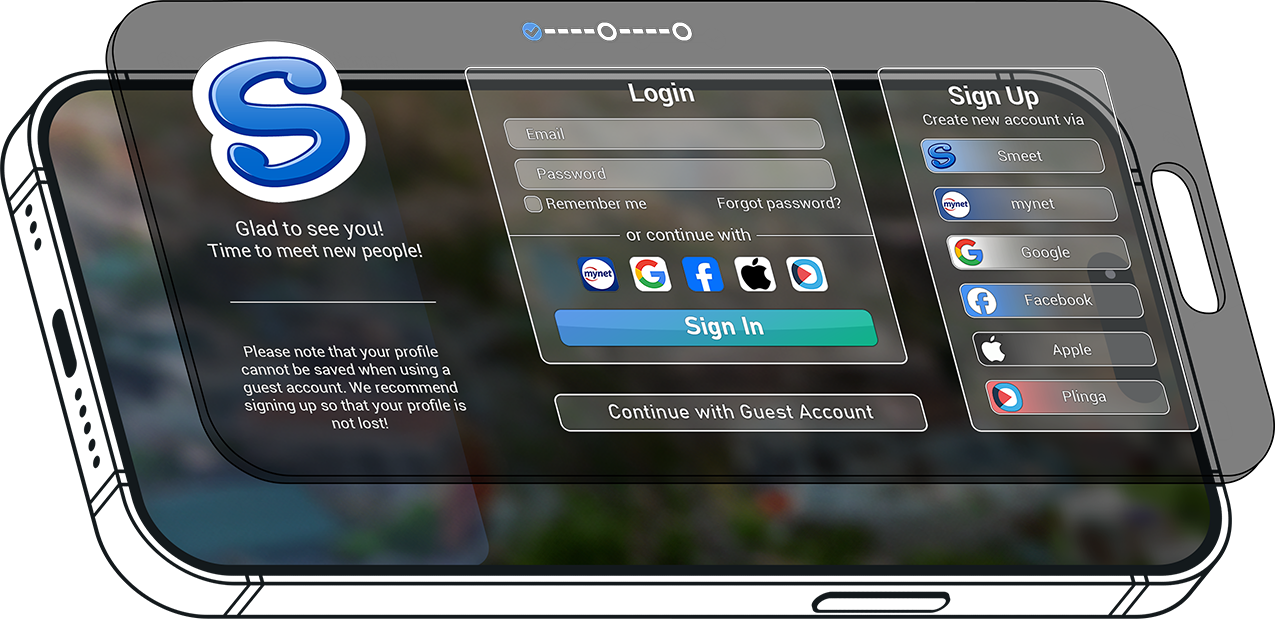
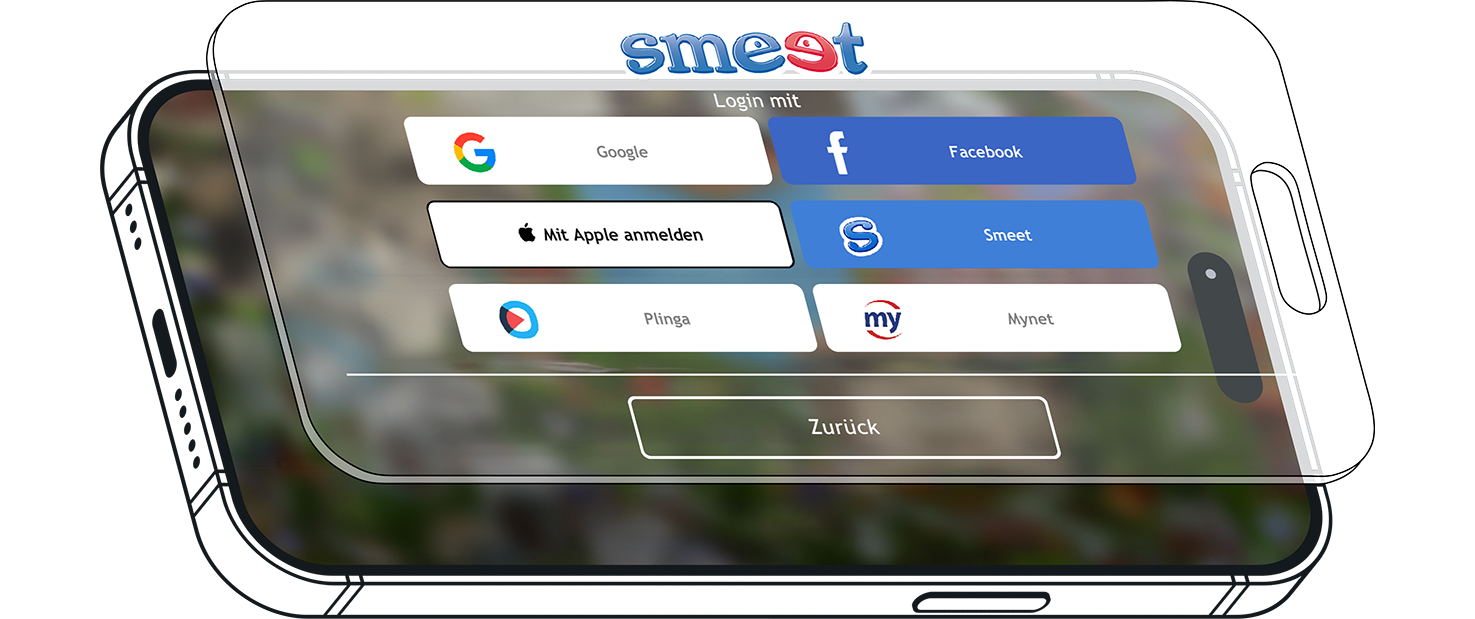
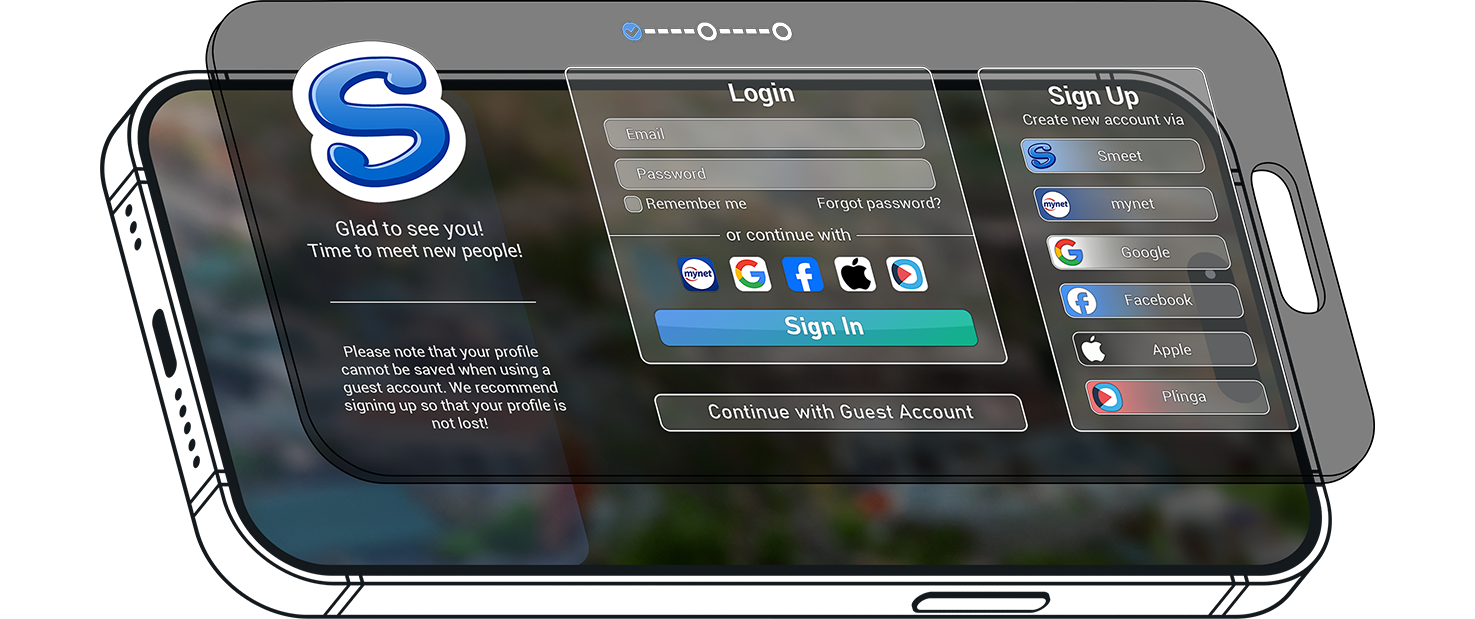
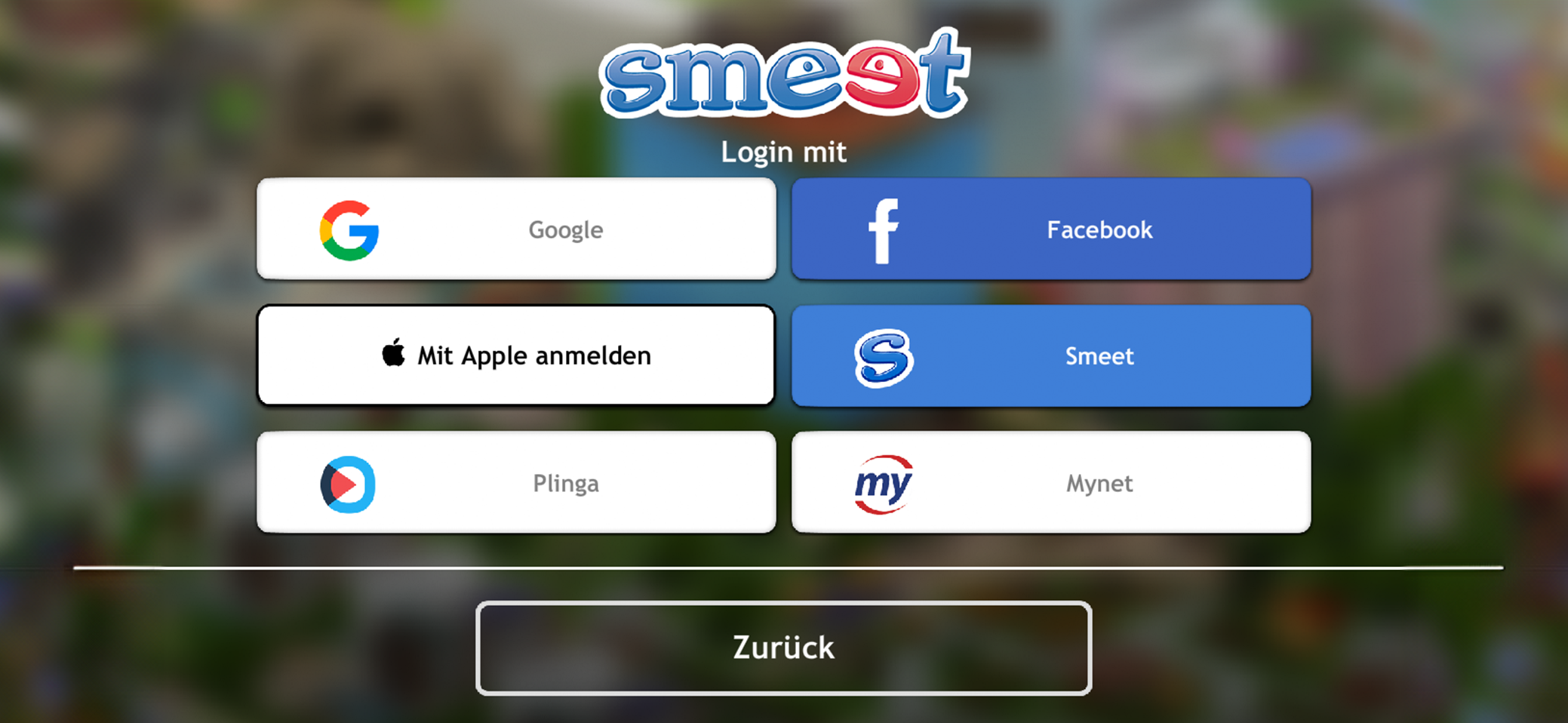
Screen 1 - The Login

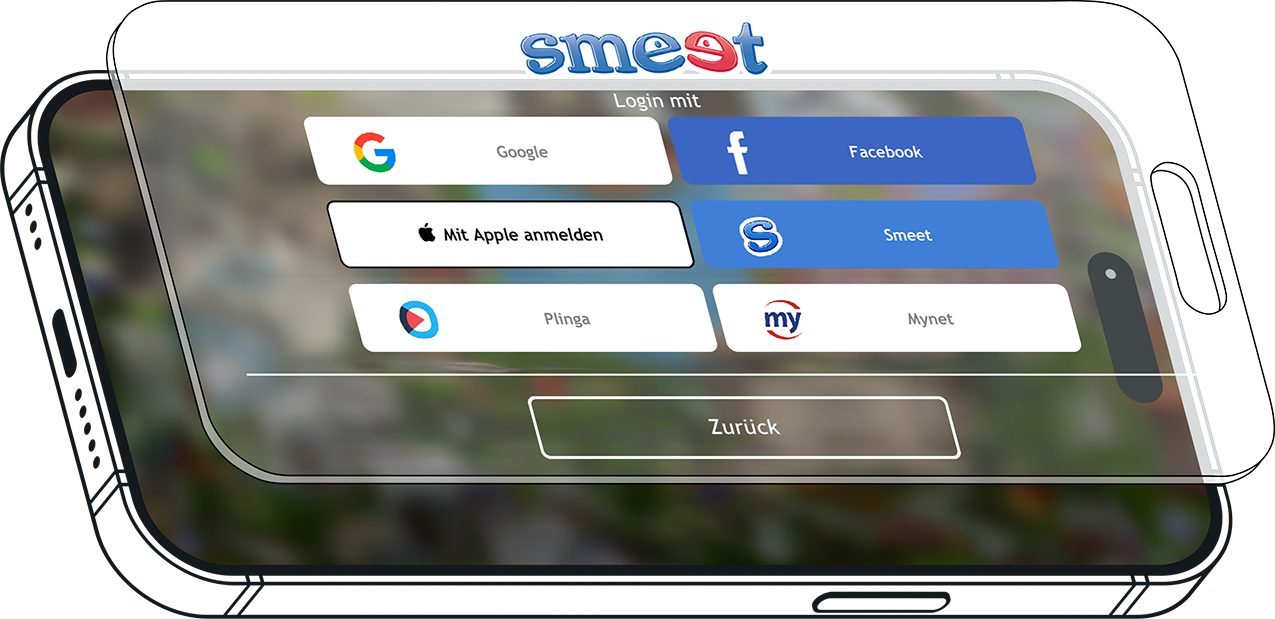
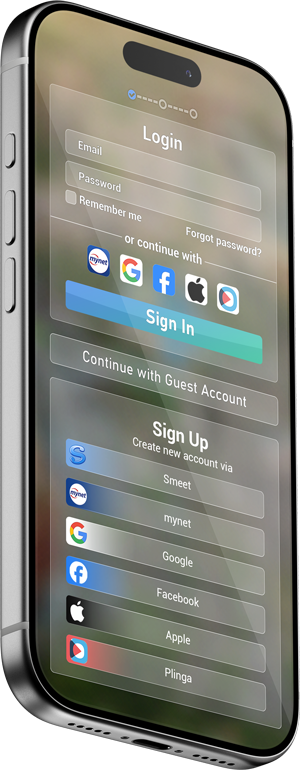
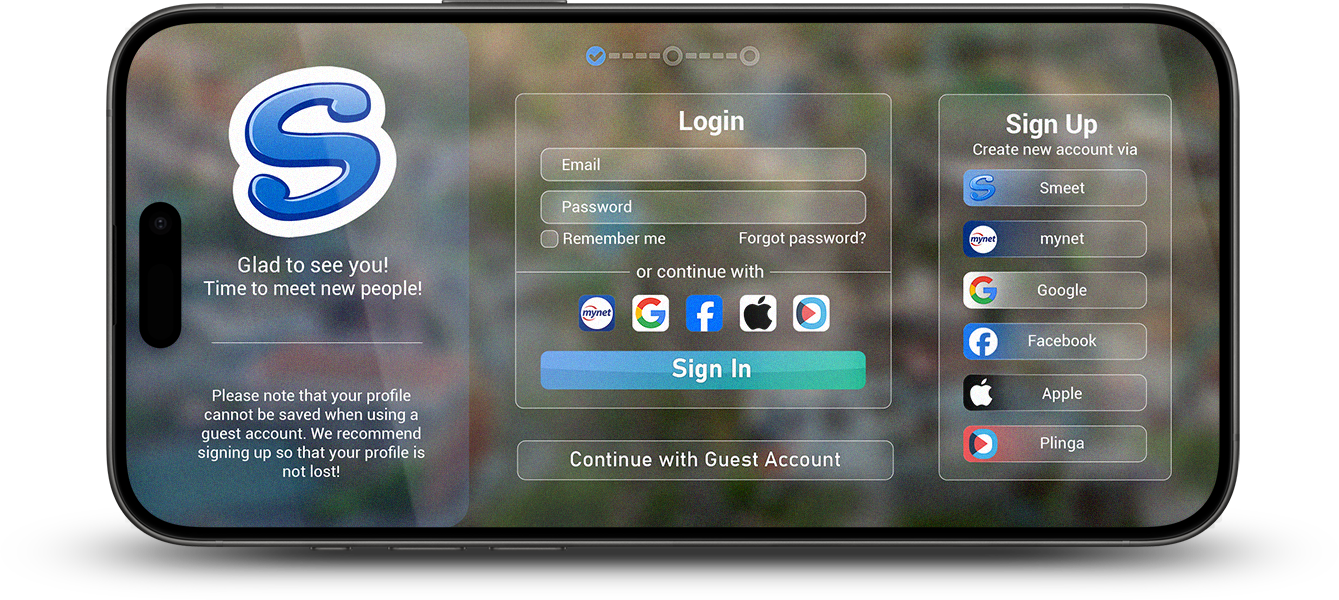
Users were already confused at the beginning due to the lack of visual hierarchy. Also, there are too many actions needed for selecting a login method or an account creation process. Lastly, users complained about the lack of “Remember Me” option.

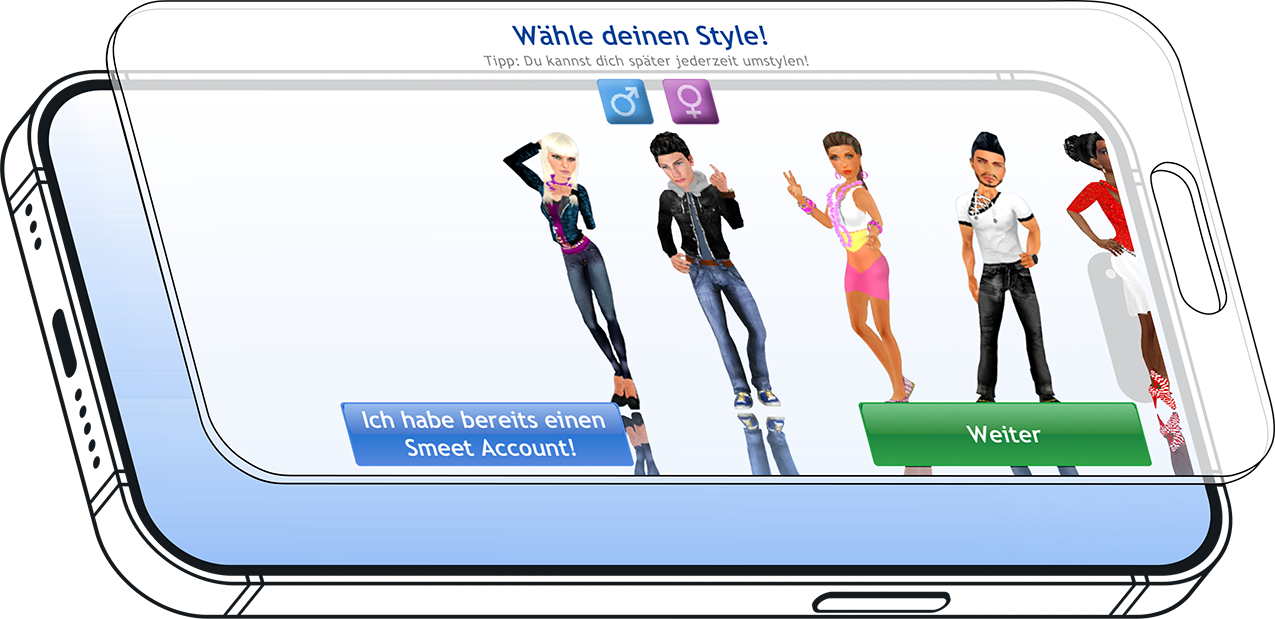
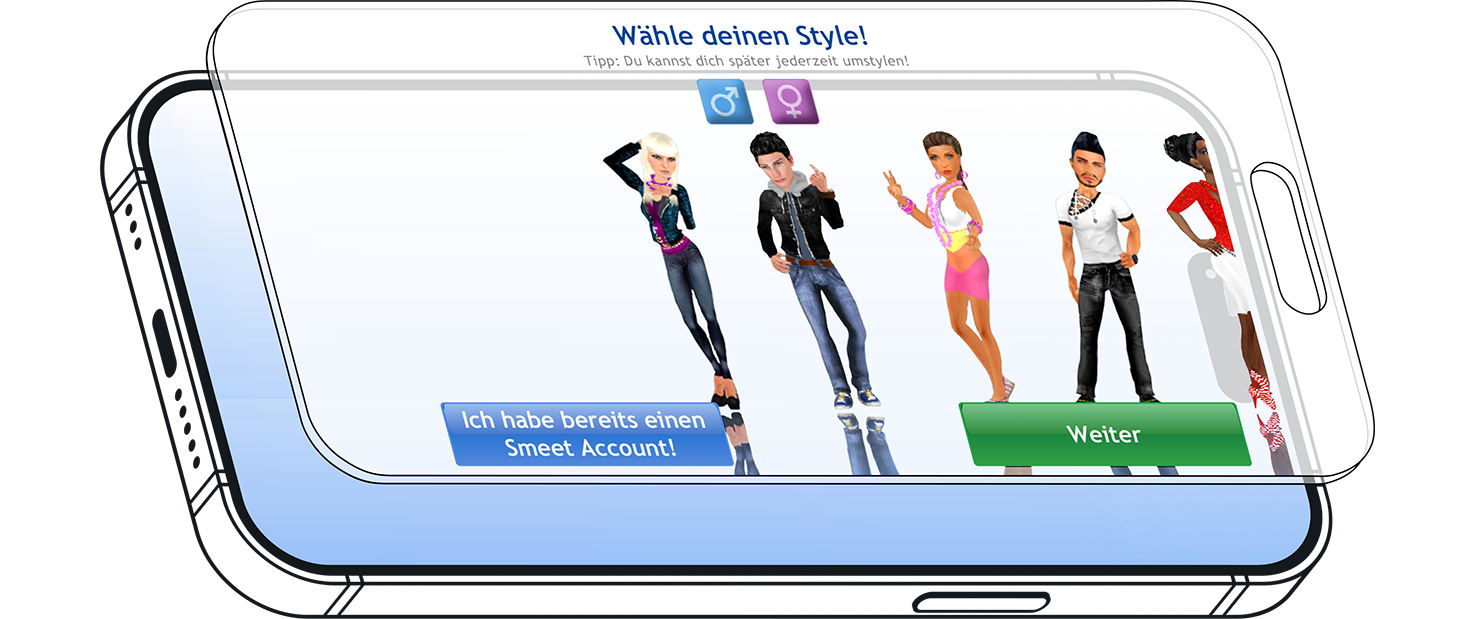
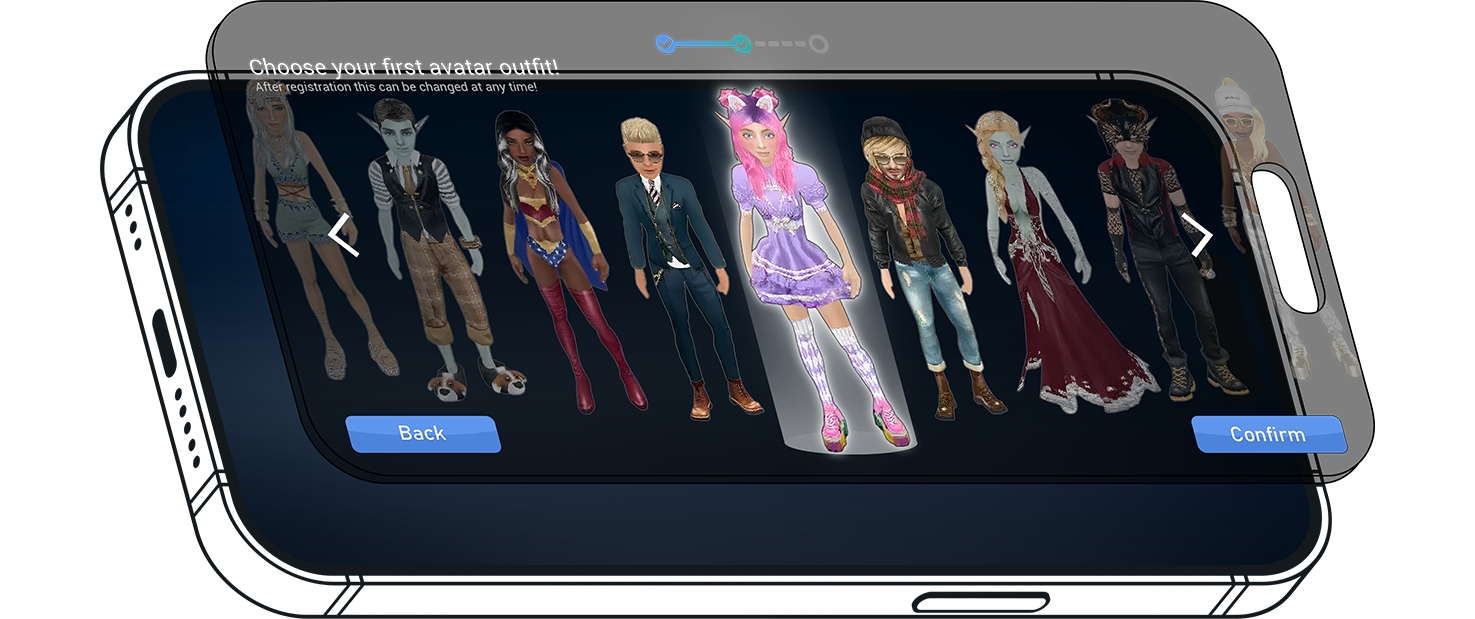
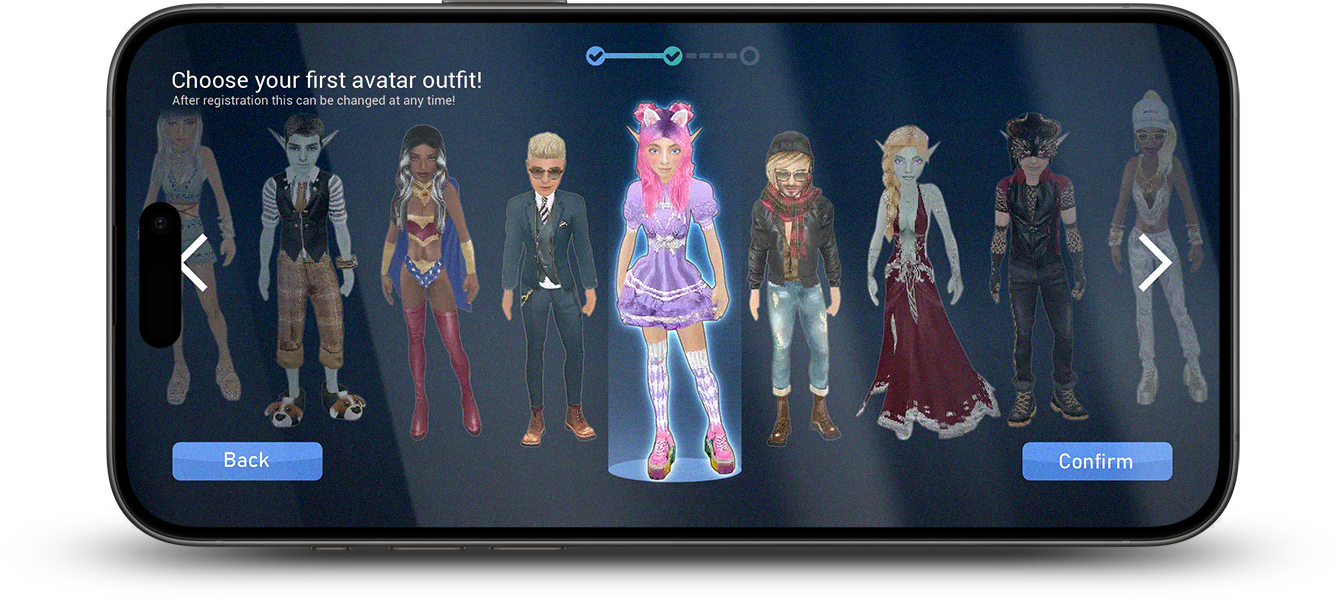
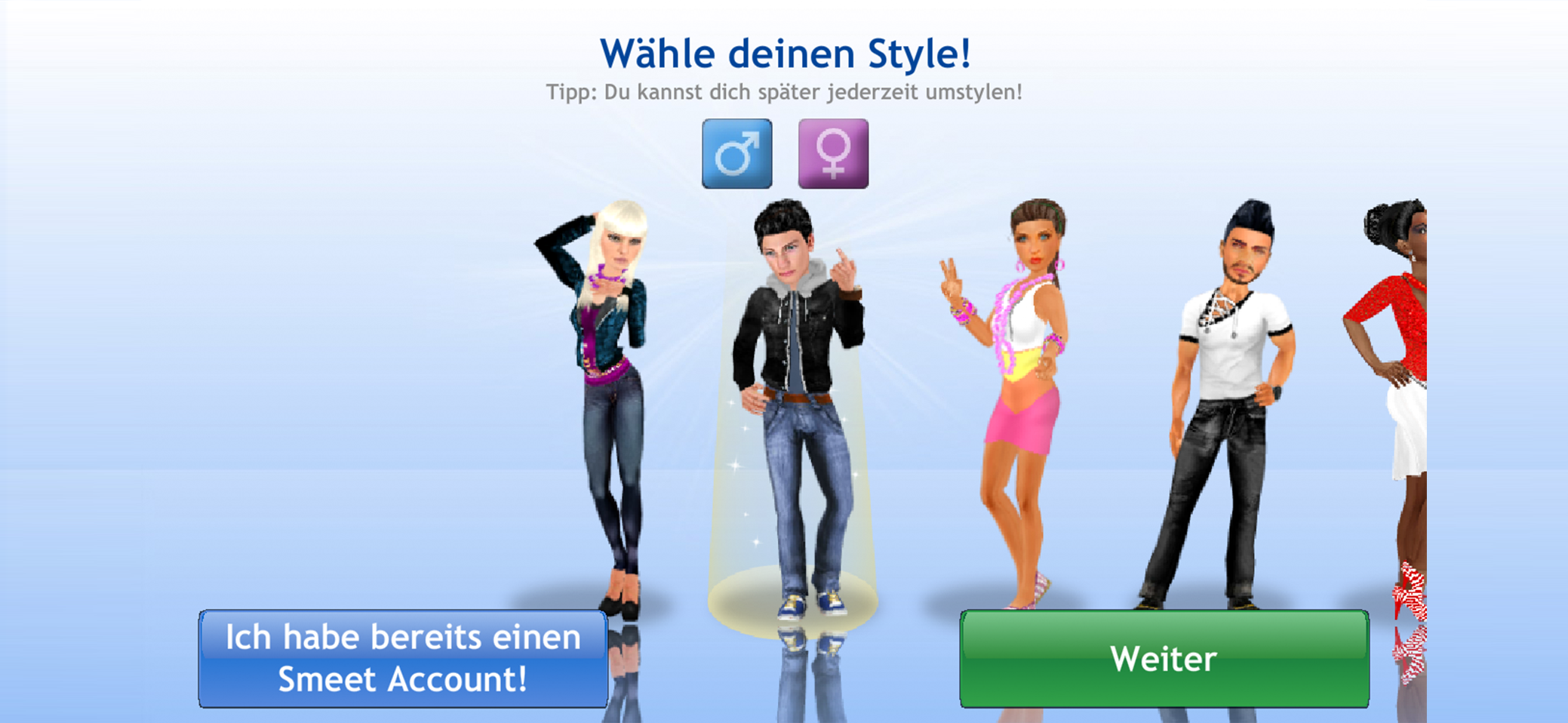
Screen 2 - The Avatar

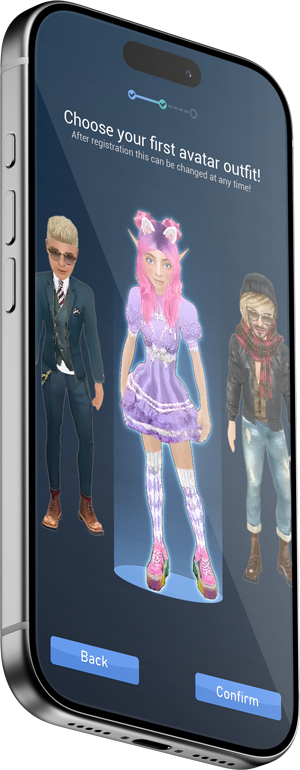
The gender selection process seemed unnecessary to the players, given that the game was all about self-expression. Additionally, the list of avatars provided was considered stale.

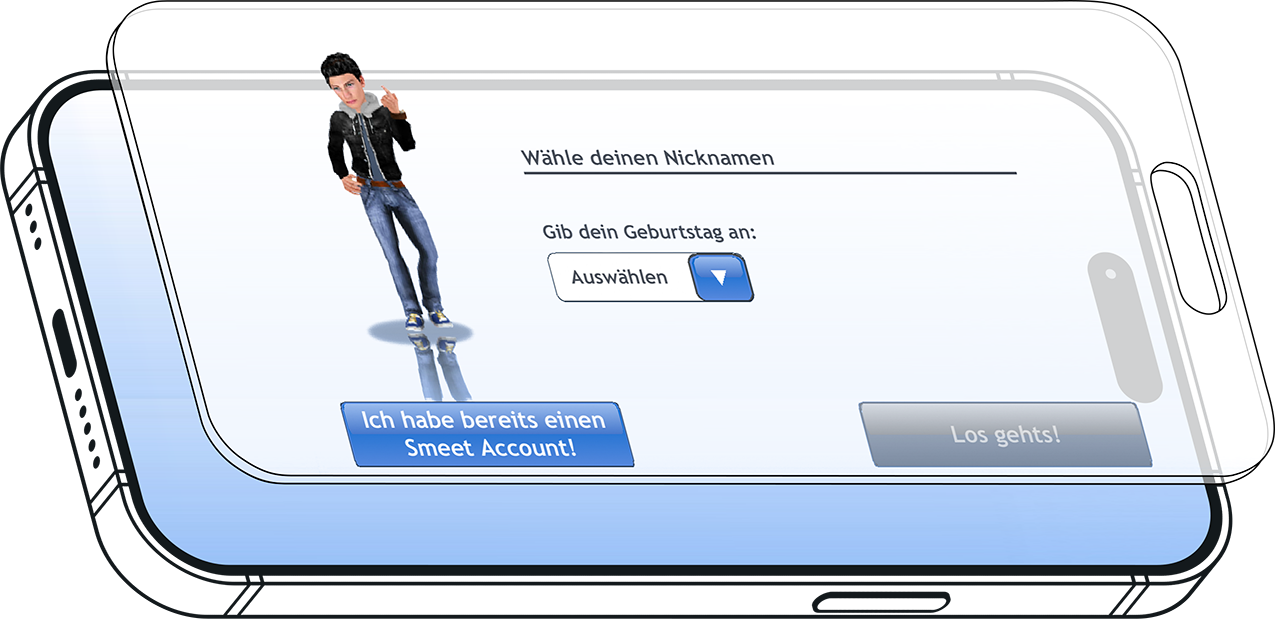
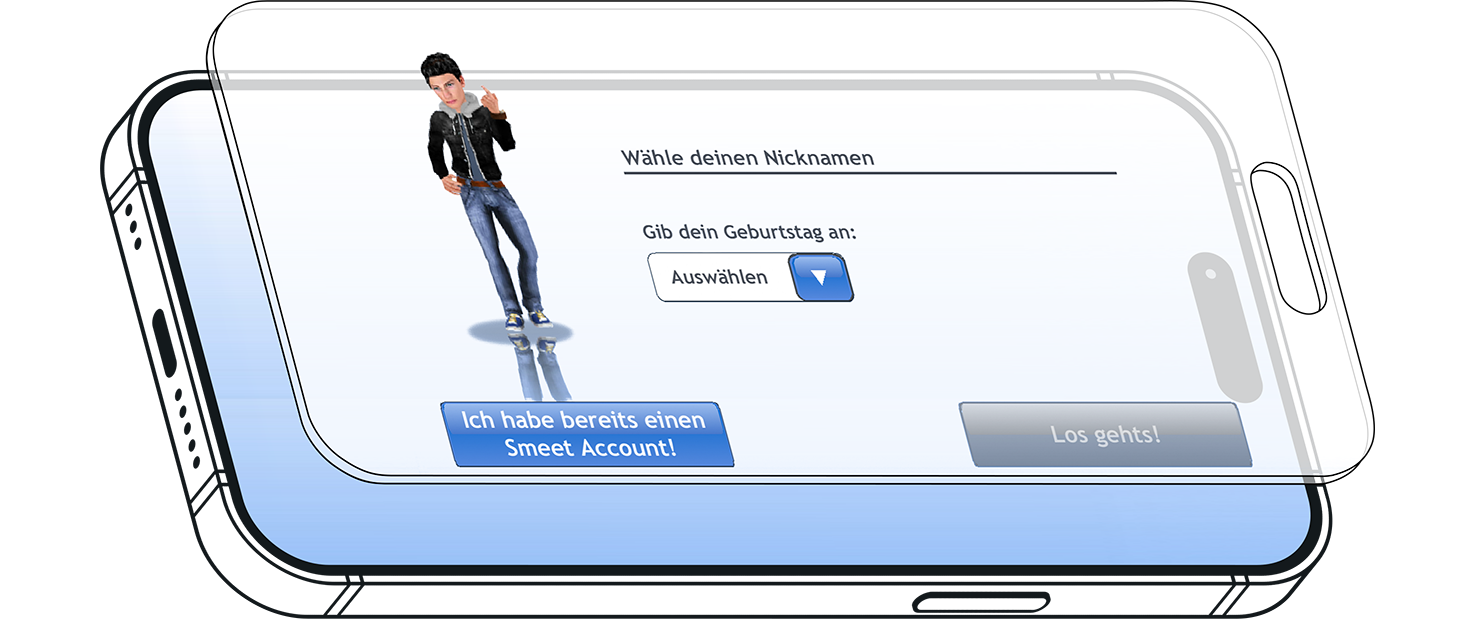
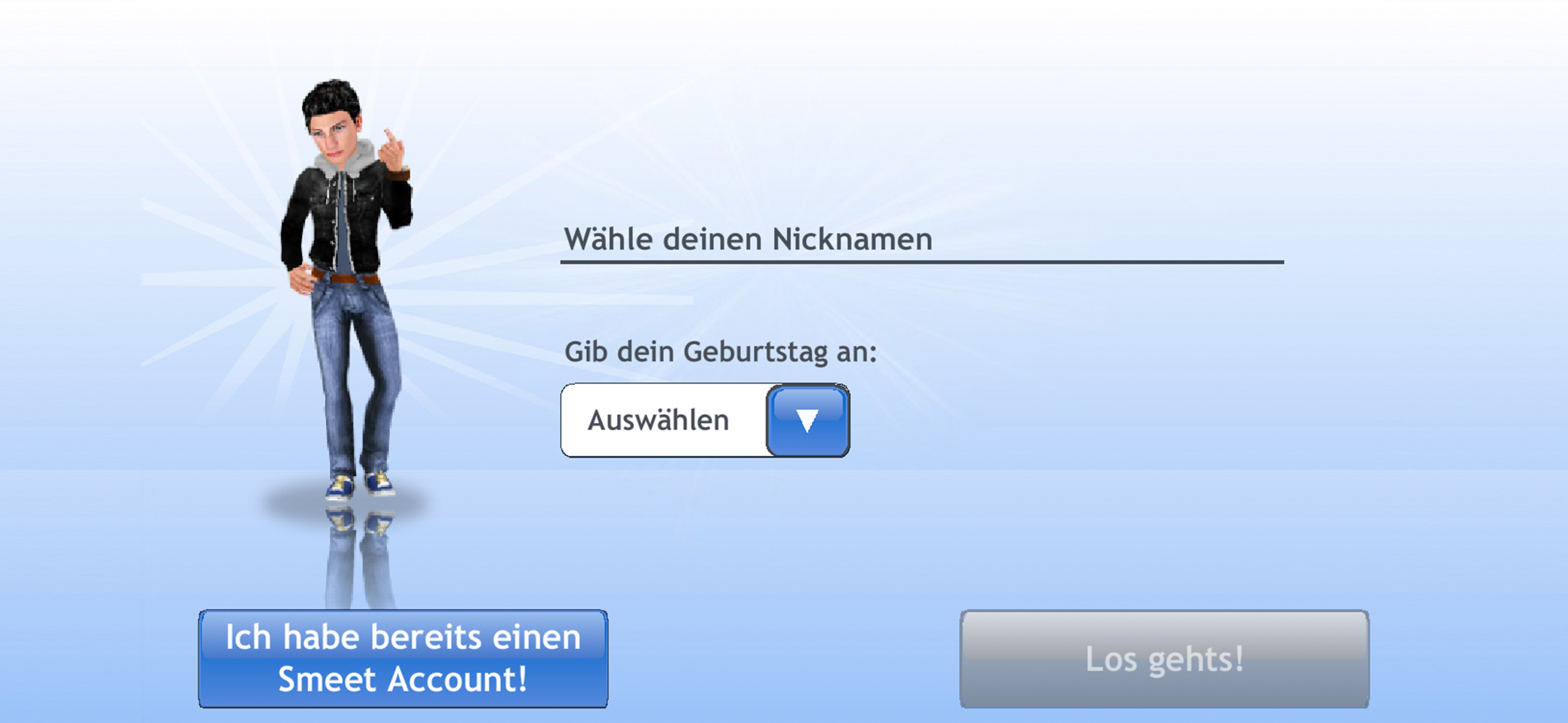
Screen 3 - The Nickname

The users challenged the requirement to input a complete date of birth, as the majority felt that an age verification check-box would be more sufficient. The screen was criticized as just looking empty.

In analyzing the feedback the registration process can be summed up as simply outdated, especially when compared against competitors.

01 Incomplete Picture


The biggest constraint during the empathize phase was the near-absence of quantitative data. Without reliable drop-off tracking baked into the funnel, I couldn't simply read a dashboard to find where users were leaving.

The biggest constraint during the empathize phase was the near-absence of quantitative data. Without reliable drop-off tracking baked into the funnel, I couldn't simply read a dashboard to find where users were leaving.

I had to triangulate from usability sessions and observations instead. This forced a more qualitative-heavy research approach than ideal, which ultimately shaped how I framed every design decision that followed.

02 Audience Signals

Beyond diagnosing pain points, I worked to understand who Smeet's new users actually were: their motivations for joining a social game, their tolerance for friction during sign-up, and what kind of first impression would make them want to stay.

Beyond diagnosing pain points, I worked to understand who Smeet's new users actually were: their motivations for joining a social game, their tolerance for friction during sign-up, and what kind of first impression would make them want to stay.

This fed directly into prioritization — understanding that self-expression was a core driver helped justify keeping avatar and name selection prominent rather than deferring them to post-registration.

Defining Opportunities & Limits

Define

02

The research pointed to two core problems: an overwhelming registration form and unclear error states that left users stuck without knowing how to proceed.

02   ✦   Define

The Pain Points

Visually Unengaging Screens

Visually Unengaging Screens

The outdated visual design failed to create a strong first impression, making it harder to keep new users motivated to complete sign-up.

Unclear Navigation

Unclear Navigation

The flow lacked clear guidance, leaving users unsure where they were in the process or what came next.

Registration Felt Disconnected From the Game

Registration Felt Disconnected From the Game

The flow lacked clear guidance, leaving users unsure where they were in the process or what came next.

Clunky on Mobile

Clunky on Mobile

The flow was built with desktop assumptions, making it frustrating on phones — small tap targets and a layout not designed for touchscreens.

01 The Drop-Off Hypothesis

Without hard funnel data, defining the problem required committing to an educated hypothesis: users weren't abandoning because the game was unappealing, but because the registration interface was creating unnecessary cognitive load at exactly the wrong moment.

Without hard funnel data, defining the problem required committing to an educated hypothesis: users weren't abandoning because the game was unappealing, but because the registration interface was creating unnecessary cognitive load at exactly the wrong moment.

A first-time user has zero investment in the product yet — any friction at this stage is disproportionately costly compared to friction encountered later.

02 Mobile as the Constraint

The define phase made it clear that the existing flow had been designed with desktop assumptions baked in. Re-framing the problem statement around a mobile-first context changed what "good" looked like entirely

The define phase made it clear that the existing flow had been designed with desktop assumptions baked in. Re-framing the problem statement around a mobile-first context changed what "good" looked like entirely

Fewer fields per screen, larger tap targets, and inline feedback rather than end-of-form error summaries became non-negotiable requirements rather than nice-to-haves.

<sup style="font-size: 14px;">01</sup> 

The Drop-Off Hypothesis

01 The Drop-Off Hypothesis

Without hard funnel data, defining the problem required committing to an educated hypothesis: users weren't abandoning because the game was unappealing, but because the registration interface was creating unnecessary cognitive load at exactly the wrong moment. A first-time user has zero investment in the product yet — any friction at this stage is disproportionately costly compared to friction encountered later.

<sup style="font-size: 14px;">02</sup> 

Mobile as the Constraint

02 Mobile as the Constraint

The define phase made it clear that the existing flow had been designed with desktop assumptions baked in. Re-framing the problem statement around a mobile-first context changed what "good" looked like entirely. Fewer fields per screen, larger tap targets, and inline feedback rather than end-of-form error summaries became non-negotiable requirements rather than nice-to-haves.

Exploring Possibilities

Ideate

03

Ideation centered on reducing perceived effort during sign-up while finding moments where the process could deliver delight rather than just utility.

<sup style="font-size: 14px;">01</sup> 

Onboarding Gameplay

01 Onboarding Gameplay

One of the more interesting reframes during ideation was treating registration not as a gate before the game, but as the beginning of it. Smeet's identity is built around self-expression, so introducing a more rounded avatar selection and room choice within the flow might transform a bureaucratic step into something closer to a character creation screen.

<sup style="font-size: 14px;">02</sup> 

Filling Gaps

02 Filling Gaps

With limited user research to draw from, ideation also had to account for edge cases that data couldn't surface: what happens when a username is taken, how error recovery should feel, where a user who pauses mid-flow should land when they return. Mapping these scenarios explicitly during ideation prevented them from becoming last-minute patches during implementation.

01 Onboarding Gameplay

One of the more interesting reframes during ideation was treating registration not as a gate before the game, but as the beginning of it.

One of the more interesting reframes during ideation was treating registration not as a gate before the game, but as the beginning of it.

Smeet's identity is built around self-expression, so introducing a more rounded avatar selection and room choice within the flow might transform a bureaucratic step into something closer to a character creation screen.

02 Filling Gaps

With limited user research to draw from, ideation also had to account for edge cases that data couldn't surface: what happens when a username is taken, how error recovery should feel, where a user who pauses mid-flow should land when they return.

With limited user research to draw from, ideation also had to account for edge cases that data couldn't surface: what happens when a username is taken, how error recovery should feel, where a user who pauses mid-flow should land when they return.

Mapping these scenarios explicitly during ideation prevented them from becoming last-minute patches during implementation.

03   ✦   Ideate

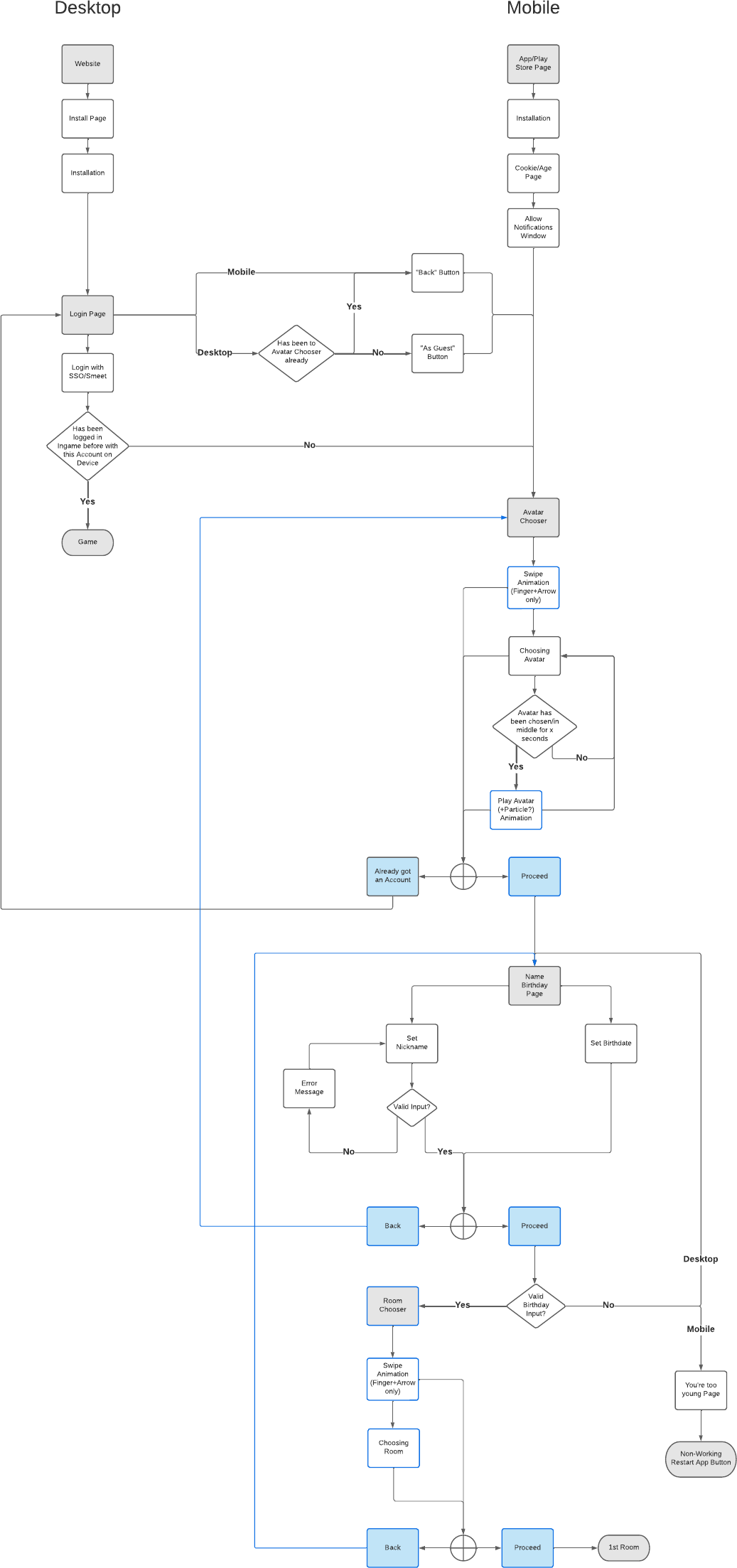
Analyzing the Original User Flow

From Install to End of Registration

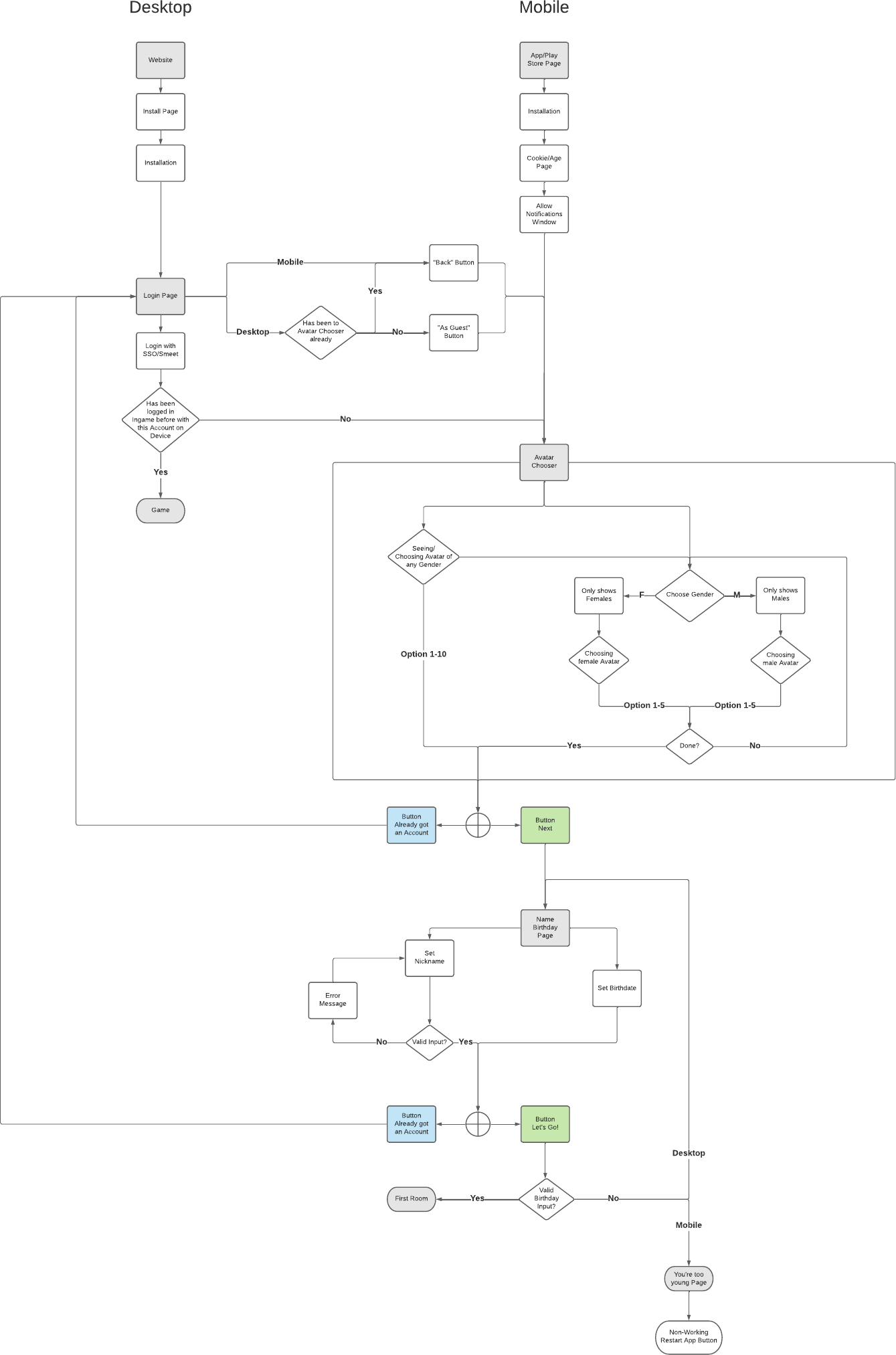
It was essential to visualize the entire process in order to have an understanding of every aspect of the process. The original flow had never been mapped end-to-end, making it hard to see where unnecessary steps were adding friction. Visualizing it gave a clear view about where new ideas would fit in.

03   ✦   Ideate

Priority Mapping

After a short ideation phase due to limited research data we decided on idea clusters rather quickly. We explored ways to simplify the registration process by reducing complexity and guiding users more clearly through each step.

High
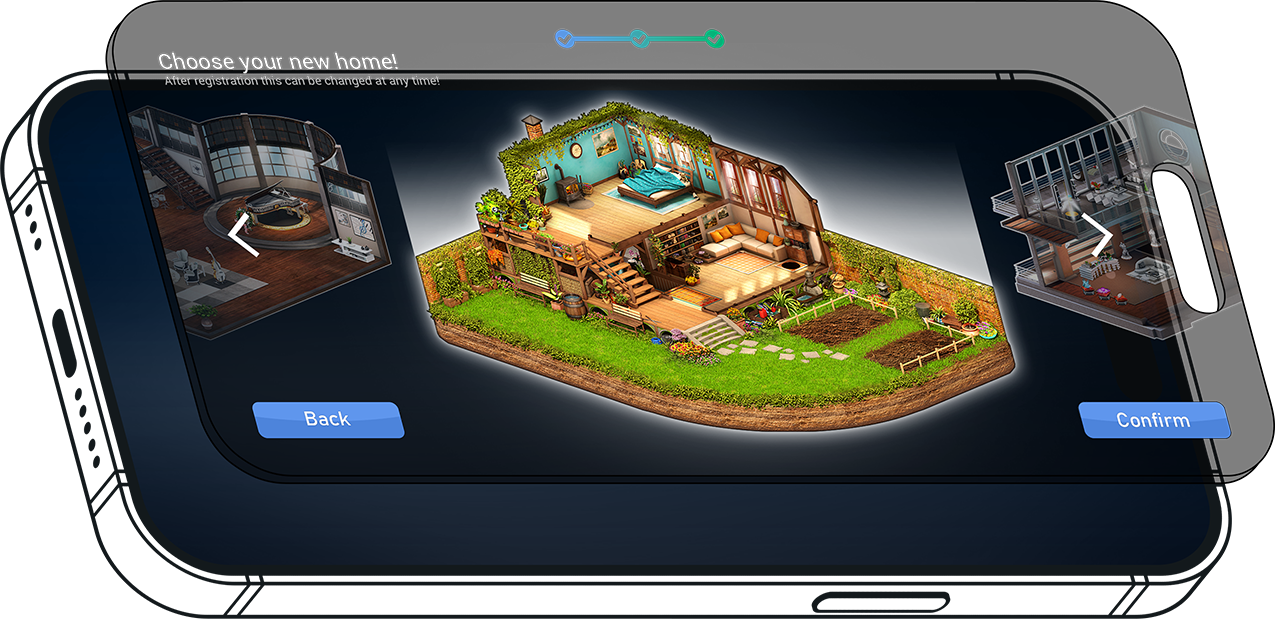
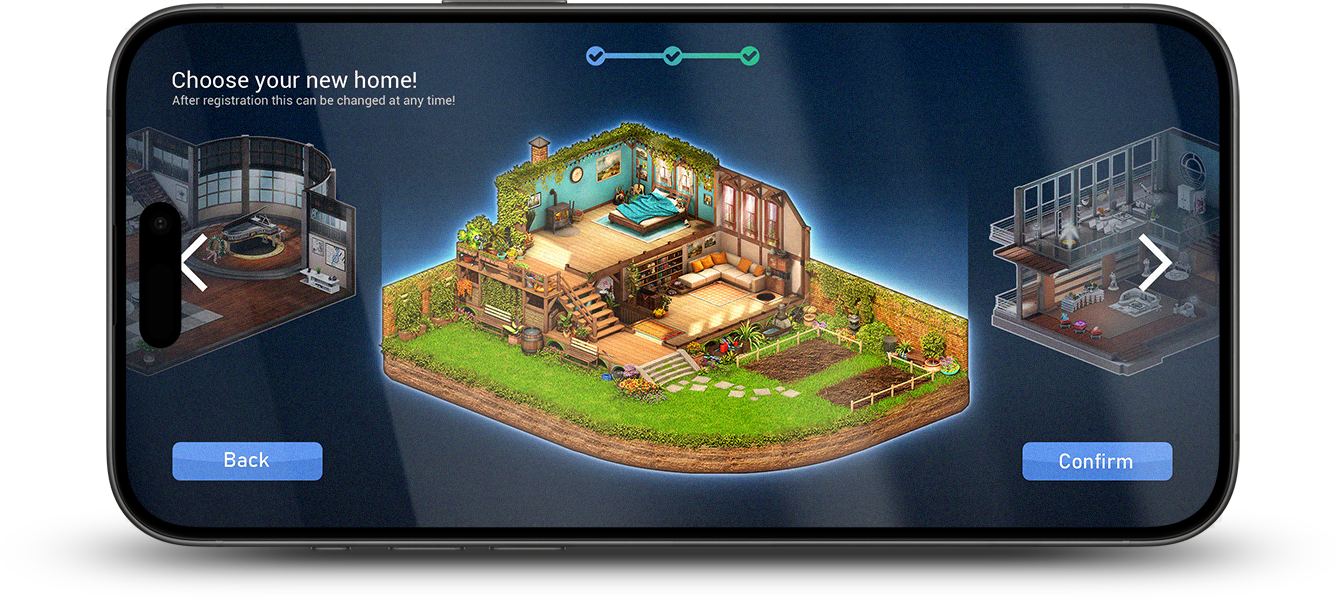
New Cozy Room

New Cozy Room

Introduce a nature/cozy aesthetic room to appeal to an underserved player segment identified through research.

Medium
Step-by-Step Flow

Step-by-Step Flow

Split registration into distinct screens — one task per view — to prevent overload and guide users naturally.

High
Progress Indicator

Progress Indicator

A persistent step-bar shows how far along users are, reducing anxiety about an unknown endpoint.
High
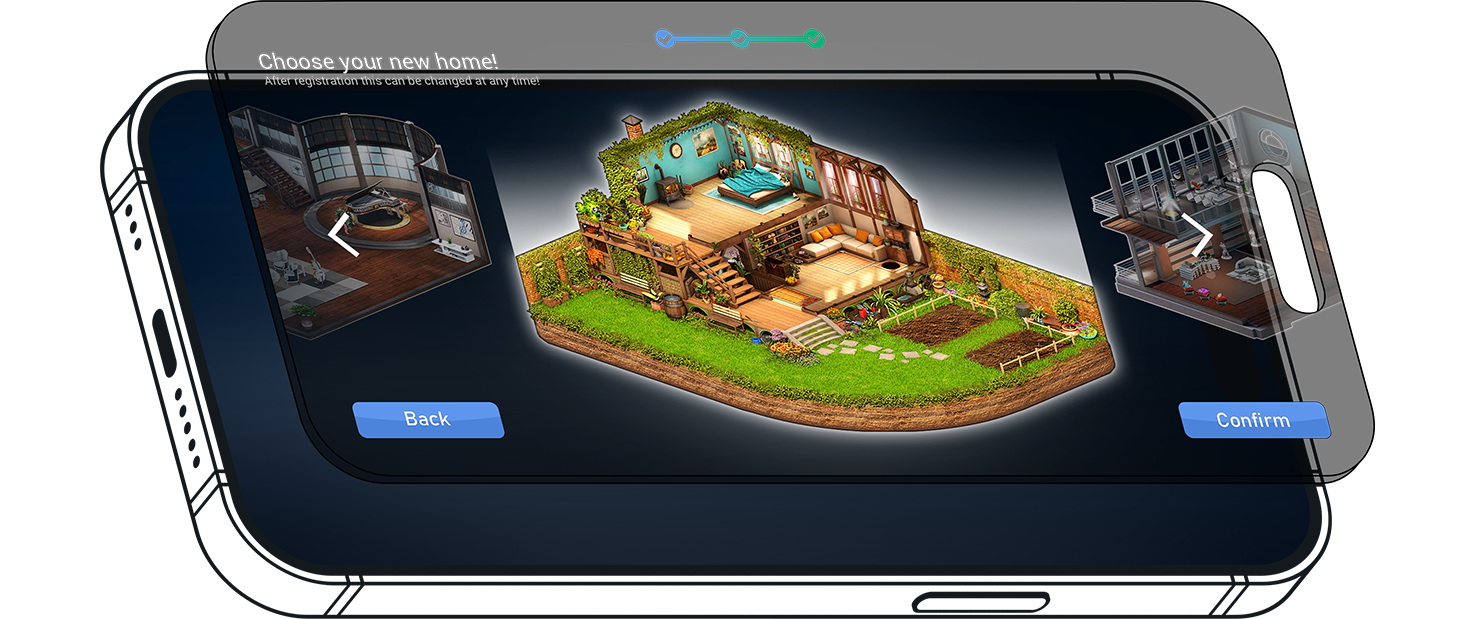
Room Selection

Room Selection

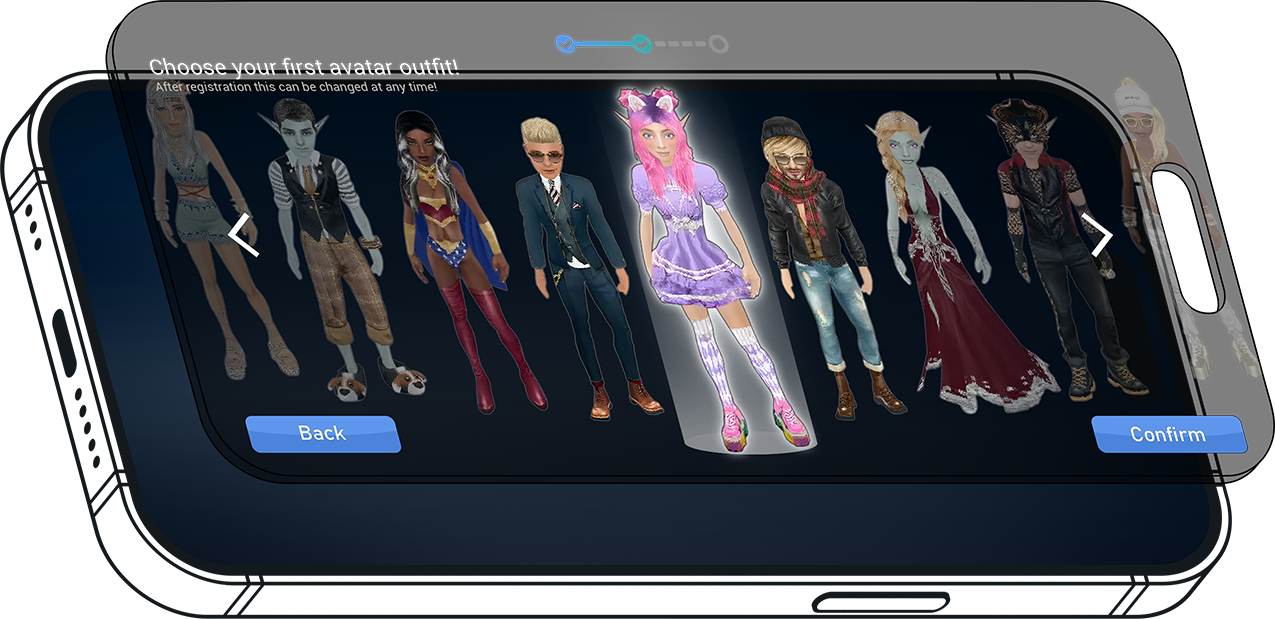
Add a room-pick step to onboarding — early personalisation that creates emotional buy-in before entering the game.

Medium
Inline Error Validation

Inline Error Validation

Real-time field validation with clear, actionable error text directly beneath each input field.

low
Reduced Field Count

Reduced Field Count

Defer non-essential data collection to post-registration. Only ask for what's strictly needed upfront.

Low
Avatar Customization

Avatar Customization

Show a live preview of the user's avatar as they customise it, making the experience tactile and rewarding.

Medium
Updated Look

Updated Look

A more modern look will invoke more trust. Especially mobile users will profit from a more accessible layout.

The First Pull of the Lever

Prototype

04

Wireframes were iterated quickly to stress-test the new flow structure before any visual polish was applied, with AI-assisted mockups used to accelerate room concept visualization.

04   ✦   Prototype
completing the picture

A Brand New FTU Room

For the new starting room, image generation tools were used to quickly visualize ideas that communicated the intended atmosphere to the Environment 3D Team. This compressed the feedback loop significantly, allowing stakeholders to react to the concept before design resources were committed to it.

01 Flow First

The phase began with a purposely crude approach, using low-fidelity prototypes that focused purely on structure while neglecting visual elements altogether.

The phase began with a purposely crude approach, using low-fidelity prototypes that focused purely on structure while neglecting visual elements altogether.

It was much more effective rather than finding issues after adding style elements based on branding guidelines.

04   ✦   Prototype

Reducing Confusion and Drop-Offs

This flow simplified approach eliminated the need for either gender selection or date entry without compromising on anything else, and rather shortened the process.

Rather, a window where one could choose their room came in as a replacement, thus turning a mundane task of data entry into the first personal touch of the player in the game.

04   ✦   Prototype

Trying out Different Versions

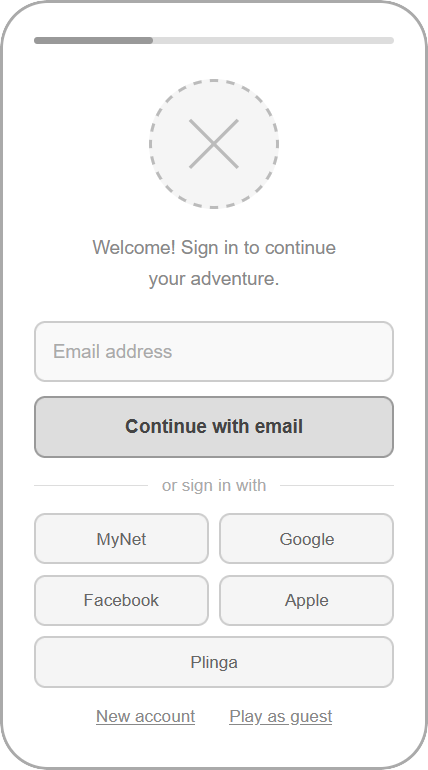
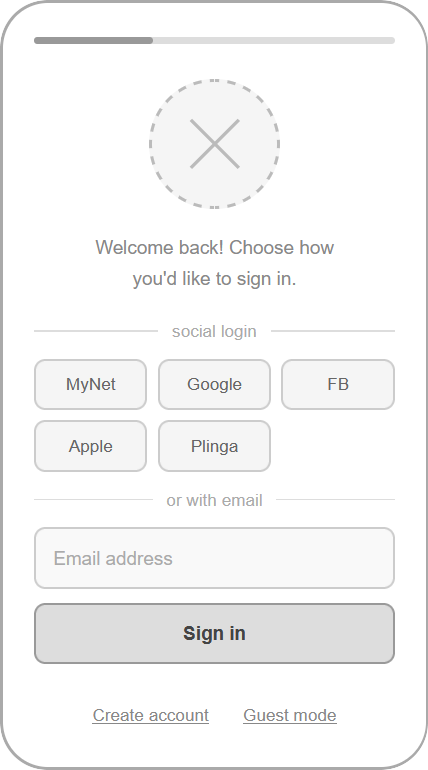
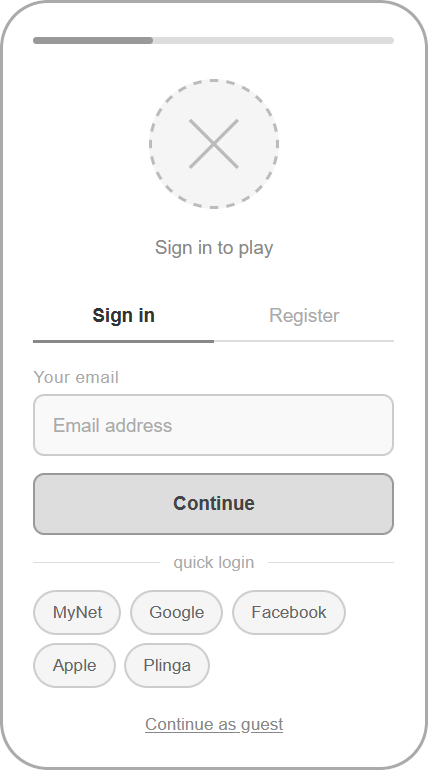
The prototypes moved fast from low- to Mid-Fi Versions. They involved a more compact Login Screen including a reworked visual hierarchy.

Early Wireframes of the Login Screen, Screen 1 within the flow.

Testing with Users

Test

05

A/B testing against the original registration flow provided the clearest signal on whether the redesign was actually moving the needle on completion rates.

Before
After
Before
After
Before
After
Before
After
Before
After
Before
After

01 Comparisons

Considering the project's early data constraints, running the new flow against the original in a controlled A/B test was the most dependable option.

Considering the project's early data constraints, running the new flow against the original in a controlled A/B test was the most dependable option.

Given the project's initial data limitations, the most reliable approach was to run the new flow against the old one in a controlled A/B test.

02 Error States

The tests corroborated what the define phase had hypothesized: error handling was the single greatest cause user confusion.

The tests corroborated what the define phase had hypothesized: error handling was the single greatest cause user confusion.

Real-time validation and inline messaging prompts placed next to relevant fields had a measurable impact on drop-offs at previously identified points of friction.

<sup style="font-size: 14px;">01</sup> 
Comparisons

01 Comparisons

Considering the project's early data constraints, running the new flow against the original in a controlled A/B test was the most dependable option. Given the project's initial data limitations, the most reliable approach was to run the new flow against the old one in a controlled A/B test.

<sup style="font-size: 14px;">02</sup> 

Error States

02 Error States

The tests corroborated what the define phase had hypothesized: error handling was the single greatest cause user confusion. Real-time validation and inline messaging prompts placed next to relevant fields had a measurable impact on drop-offs at previously identified points of friction.

What We Achieved

Impact & Learnings

06

The project reinforced that without a specific metric infrastructure, even the best and most logical decisions remain based on unvalidated assumptions. A reorganized mobile-first flow and enhanced error handling decreased user errors during registration and increased the overall completion rate.

✦   Impact & Learnings
Final Notes

Key Takeaways

System Feedback
Error Handling

Error Handling

Real-time validation and visible error prompts near fields make the process smoother and more user-friendly. This turned out to be the point of most confusion for users. Addressing errors effectively prevents drop-offs and keeps users engaged.

Data
Importance of Metrics

Importance of Metrics

Lacking key data throughout the project hindered insight into user issues, forcing reliance on assumptions and slowing optimization. Early metric implementation would have improved guidance and measured success more effectively.

✦   Impact & Learnings
Final Notes

The Impact

Smaller Funnel Drop-off Rate
Minimize Pain Points

Minimize Pain Points

By improving error handling and providing clearer instructions, I was able to reduce the number of user mistakes during the registration process. This helped to minimize frustration, making the experience smoother and more intuitive for them. As a result, they were less likely to abandon the process due to confusion or errors, contributing to a higher completion rate.

✦   Contact Me

Have a project in mind?

Looking for collaboration? Send an email to helloooo@vhoffmann.design for inquiries and projects or fill out the form.

Send a Message


    This website uses cookies to improve your web experience.