








Socializing
Meeting other avatars, joining conversations, and building relationships through shared spaces and real-time chat.

Group Play
Participating in challenges, mini-games, and events with other players — the heartbeat of the game's community.

Room Customization
Designing and decorating personal rooms as a form of creative expression and social signalling.

Orientation Without Overwhelm
A game with vast feature depth needs guardrails. Players who feel lost in their first five minutes don't come back. Guidance must feel supportive, not restrictive.
Fast Path to Fun
The sooner a new player experiences something genuinely enjoyable — a laugh, a room they love, a social connection — the higher the likelihood of long-term retention.
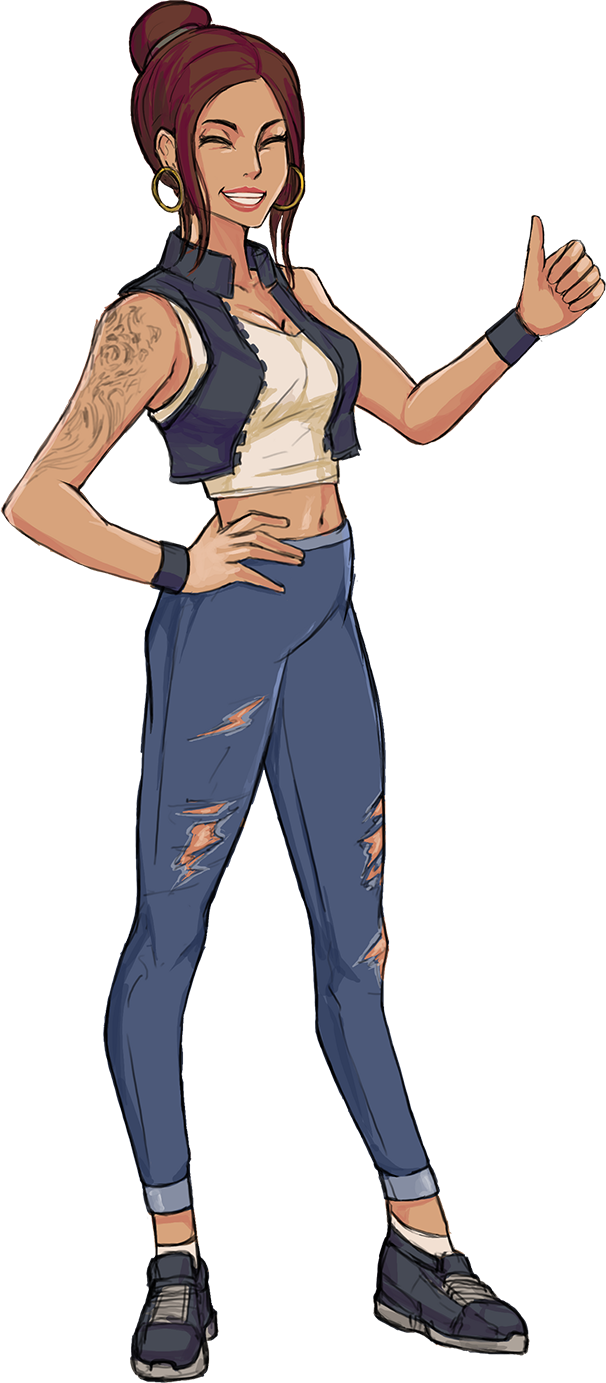
A Familiar Face
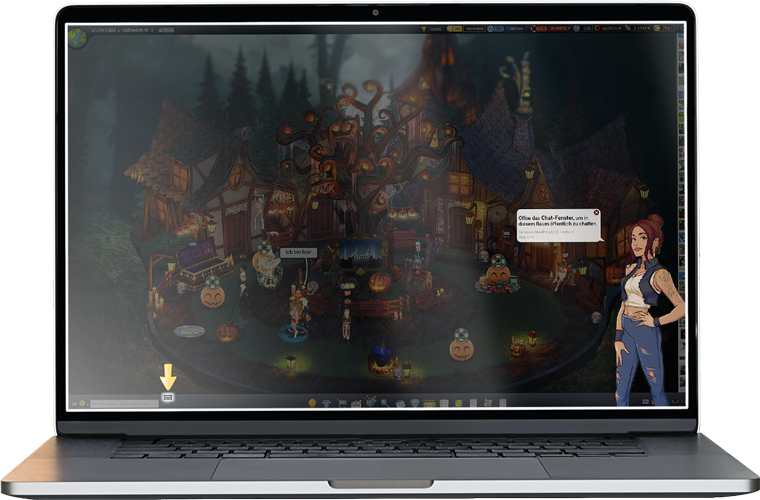
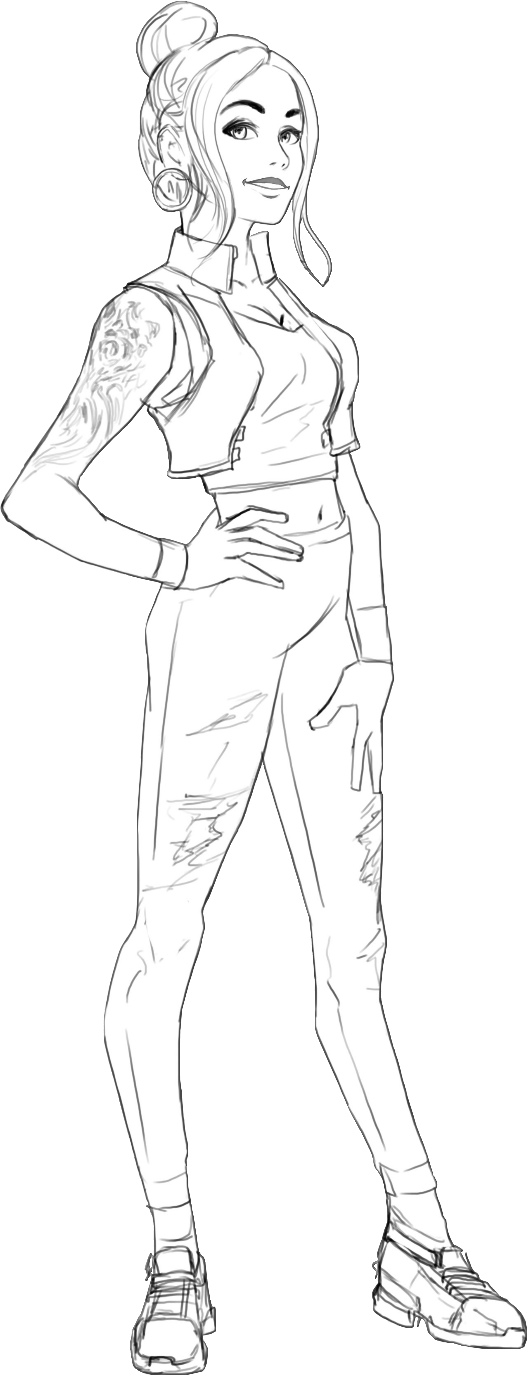
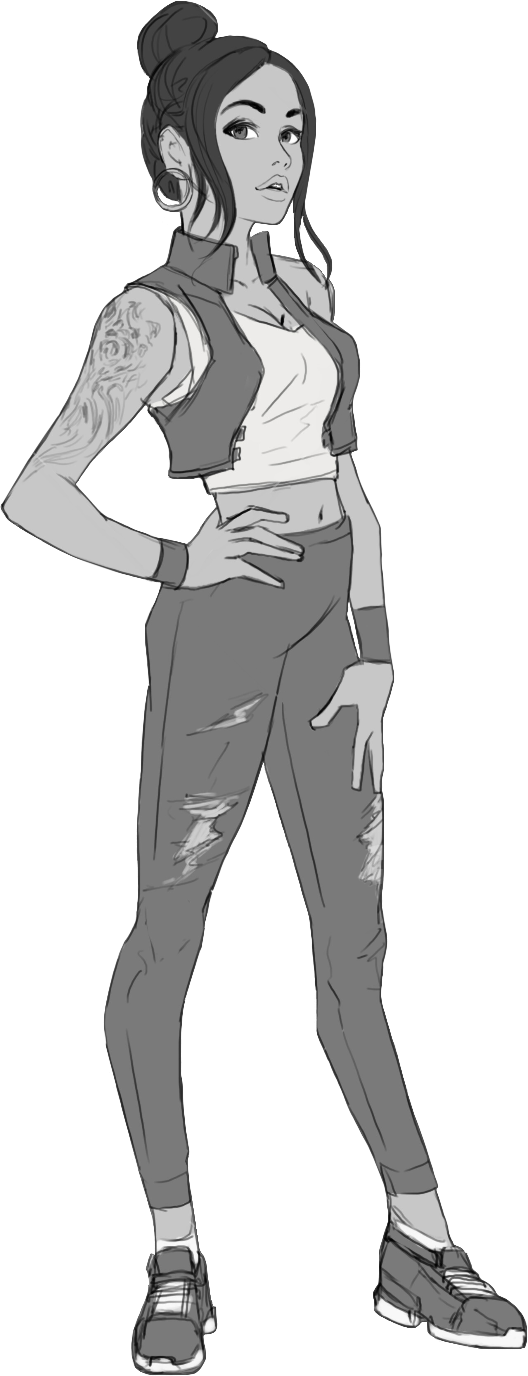
A dedicated guide character creates a sense of being welcomed. Having a consistent, relatable personality reduces the cold-start anxiety of entering a new virtual world.
Learn by Doing
Passive instruction is forgotten. Players retain mechanics best when they discover them through action — the tutorial must be a hands-on, contextual experience, not a manual.

Smeet's core appeal — the sheer range of things you can do — was also its biggest onboarding liability. New players were entering a virtual world with socializing tools, room customization, group challenges, and more, all available at once with no clear starting point.
Through this research, three features emerged as the ones that defined the Smeet experience most essentially — socializing, group play, and room customization.

Contextual, Not Instructional
Every tutorial step should arise naturally from the game world — not from a pop-up modal that pauses the experience.
Precise Flow Definition
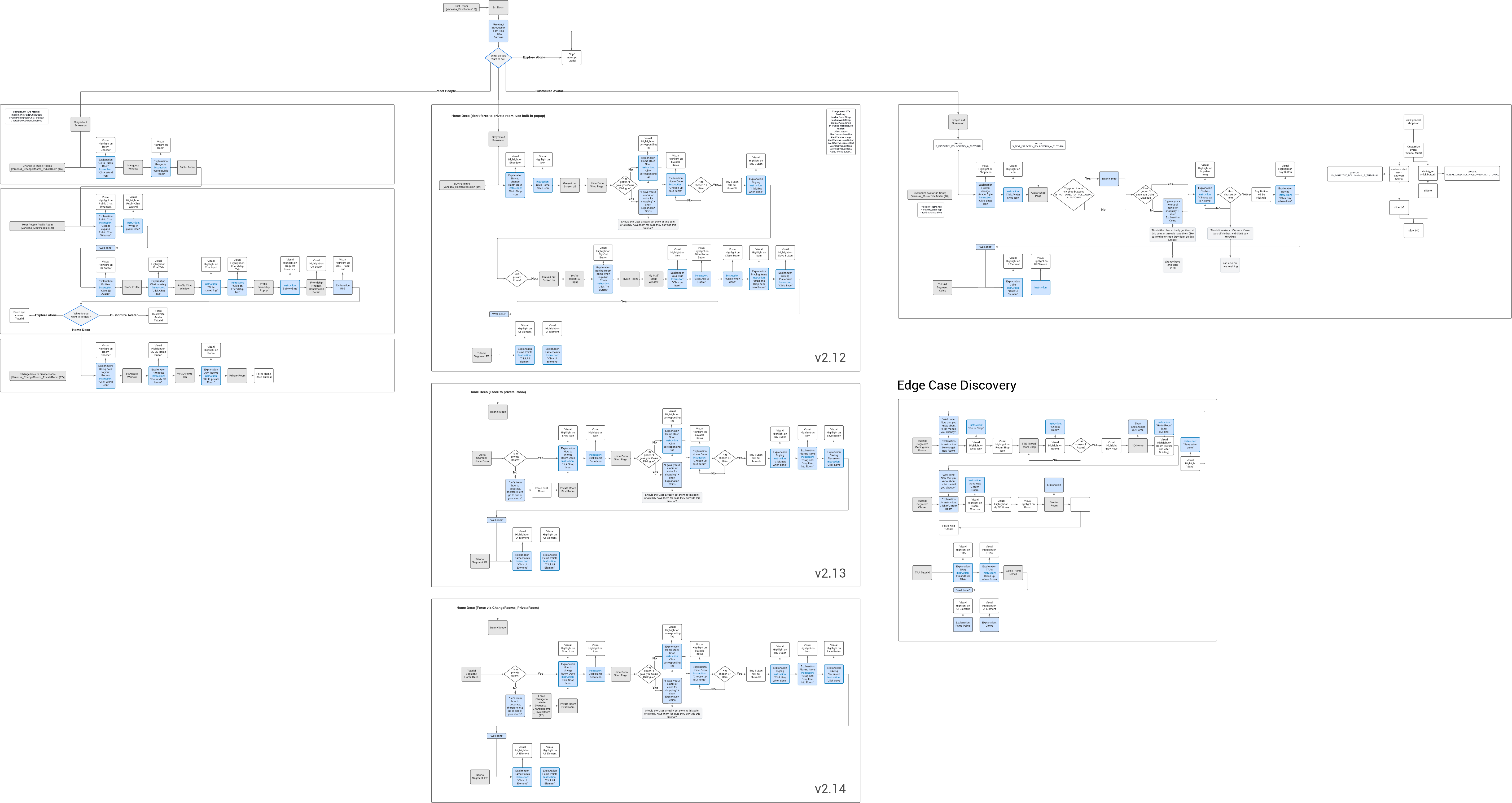
Since the Editor was built in parallel, every UX step required exact specification from day one. Ambiguity had engineering consequences.

Iterative by Design
Every version of the tutorial was also a test of the Editor. The feedback loop between content and tooling was a feature, not a bug.

Balanced Pacing
Concepts are introduced at a pace that keeps players engaged without feeling rushed — each step earns the next.
Platform Agnostic
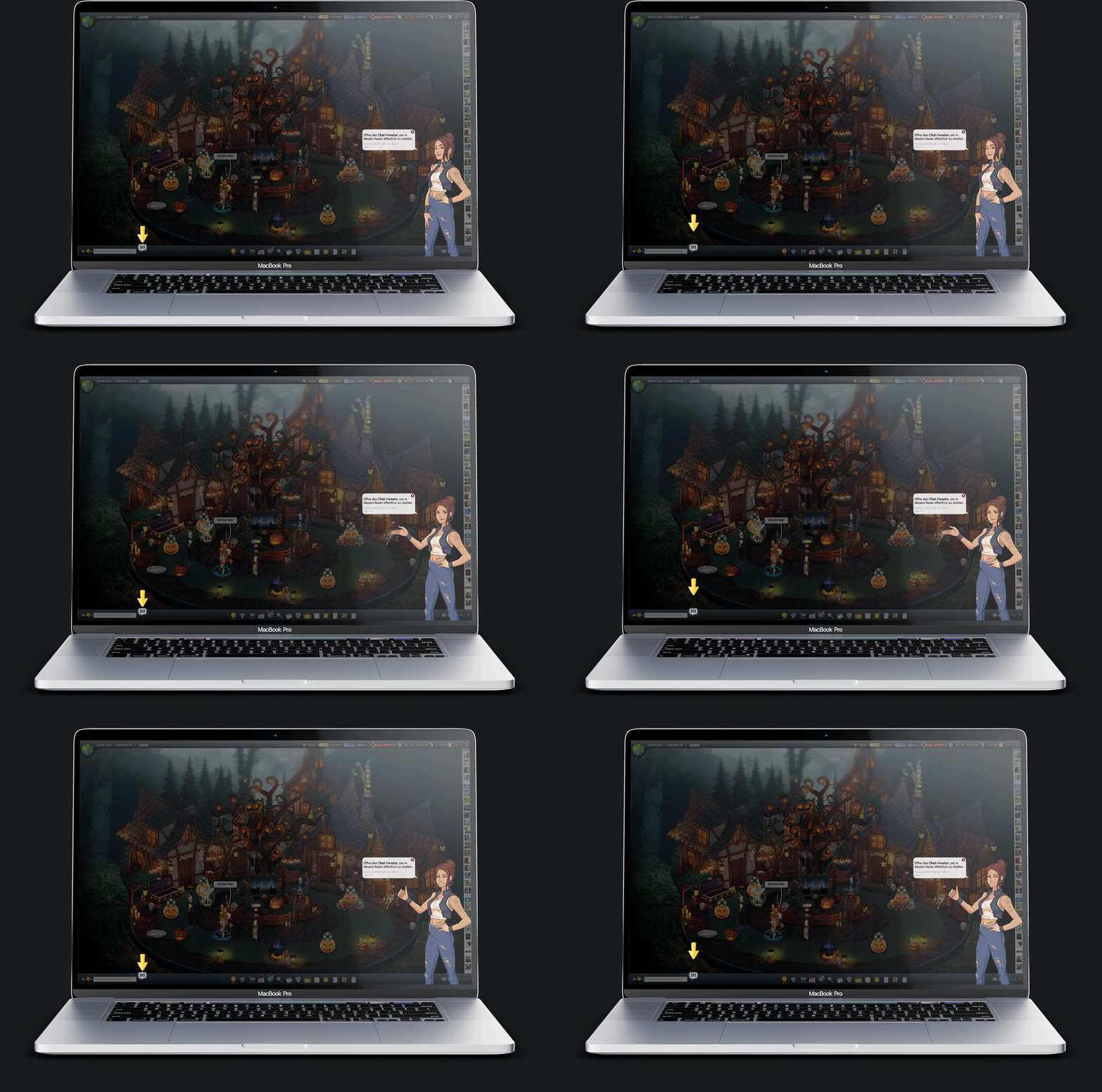
The tutorial logic must be independent of platform-specific UI — one system that adapts gracefully across all five surfaces.
Social From Step One
The tutorial should immediately signal that Smeet is about people — the guide character embodies this from the first moment.
Contextual, Not Instructional
Every tutorial step should arise naturally from the game world — not from a pop-up modal that pauses the experience.
Precise Flow Definition
Since the Editor was built in parallel, every UX step required exact specification from day one. Ambiguity had engineering consequences.
Iterative by Design
Every version of the tutorial was also a test of the Editor. The feedback loop between content and tooling was a feature, not a bug.
Balanced Pacing
Concepts are introduced at a pace that keeps players engaged without feeling rushed — each step earns the next.
Platform Agnostic
The tutorial logic must be independent of platform-specific UI — one system that adapts gracefully across all five surfaces.
Social From Step One
The tutorial should immediately signal that Smeet is about people — the guide character embodies this from the first moment.
The define phase made it clear that the tutorial needed to respect the user's natural learning curve rather than front-load information.
An unusual complication during this phase was that the tutorial editor itself was being built at the same time as the tutorial content. This meant problem statements and requirements had to be defined with unusual precision from the start
Feature Prioritisation at Scale
Smeet offers socialising, room building, games, challenges, events, and more. Condensing this into a focused tutorial required deliberate decisions about what to show — and what to defer. The risk was either overwhelming players or underselling the game.
Designing Without the Tool
The Tutorial Editor was being built simultaneously with the tutorial content itself. Every design decision needed to be expressed with enough precision that the editor's architecture could accommodate it — essentially writing a spec for a tool that didn't yet exist.
Pacing Across Varied Player Types
New players range from social-game veterans who want to skip everything, to first-time players who need every step explained. The tutorial needed to feel appropriate for both without alienating either.
Multi-Platform Consistency
Tutorial triggers, UI overlays, and the guide character needed to work coherently across PC, web browser, Android, macOS, and iOS — each with different interaction models and screen constraints.
The central ideation principle was that instruction text alone wouldn't cut it. Players retain mechanics better when they discover them through interaction, so the challenge was designing scenarios where the learning happened as a byproduct of playing rather than reading.
01 Exploring Solutions
I conducted comprehensive competitor analysis to identify opportunities for differentiation. Through close engagement with users, I rapidly explored various design variations, including themed slot concepts like Christmas, Halloween, and team-based competitions.



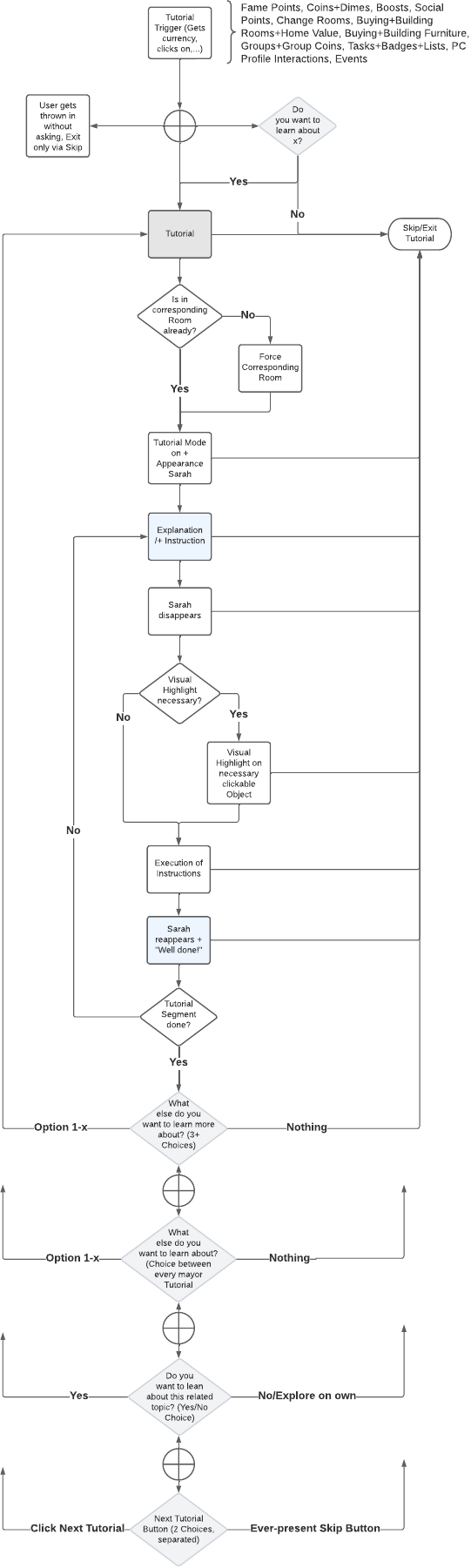
The prototyping phase had an unusual structure: because the tutorial editor was in development alongside the content, each tutorial build was effectively a test of two things at once.
Insights from playtesting the tutorial flow fed directly back into the editor's feature development, and limitations in the editor shaped what the tutorial could attempt. This created a tightly coupled iterative loop that was constraining at times but ultimately produced a tool and a tutorial that were well-aligned.
01 Dual Feedback Loop
The prototyping phase had an unusual structure: because the tutorial editor was in development alongside the content, each tutorial build was effectively a test of two things at once. Insights from playtesting the tutorial flow fed directly back into the editor's feature development, and limitations in the editor shaped what the tutorial could attempt. This created a tightly coupled iterative loop that was constraining at times but ultimately produced a tool and a tutorial that were well-aligned.
01 Dual Feedback Loop
The prototyping phase had an unusual structure: because the tutorial editor was in development alongside the content, each tutorial build was effectively a test of two things at once. Insights from playtesting the tutorial flow fed directly back into the editor's feature development, and limitations in the editor shaped what the tutorial could attempt. This created a tightly coupled iterative loop that was constraining at times but ultimately produced a tool and a tutorial that were well-aligned.

Non-Intrusive Triggers
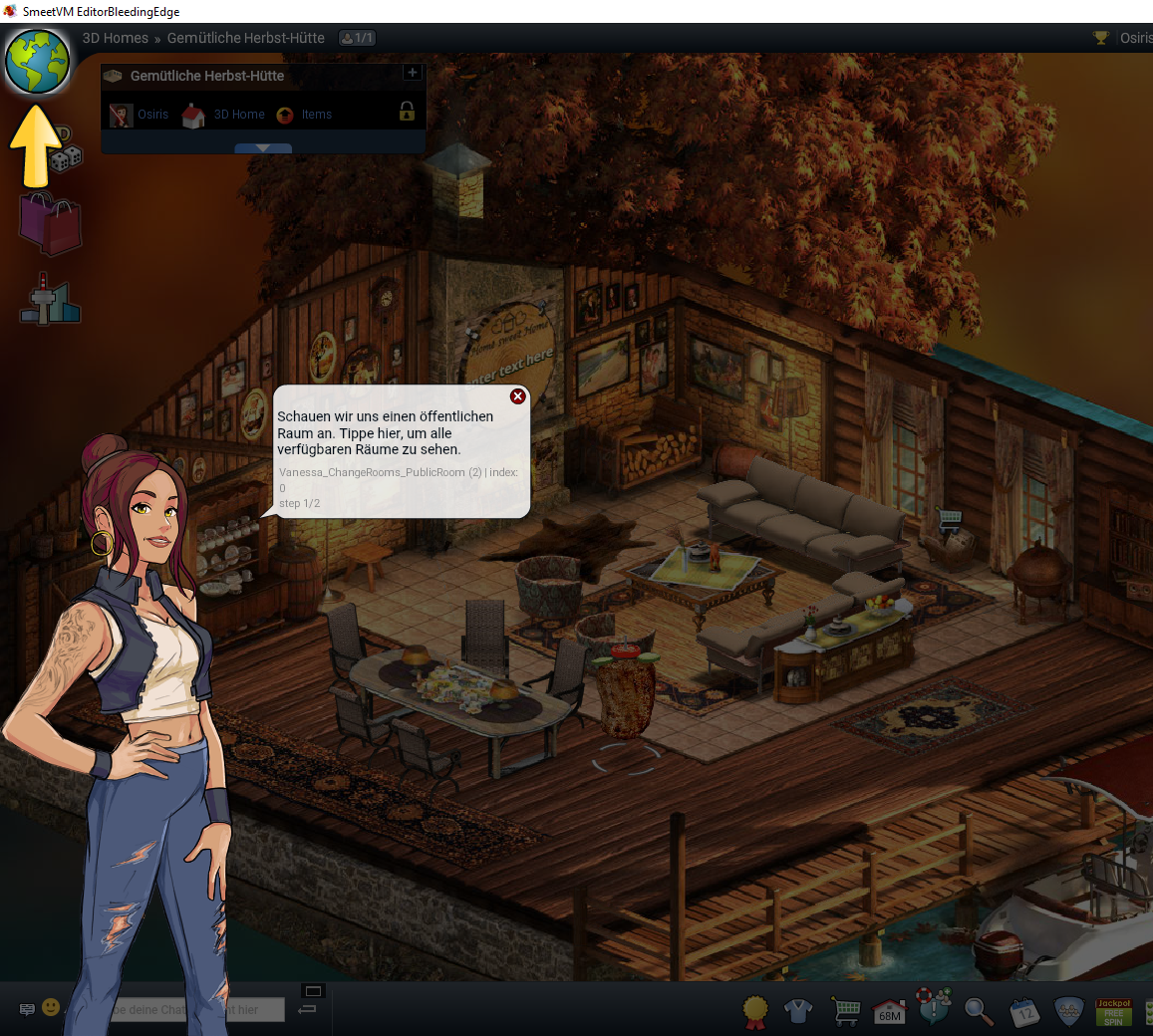
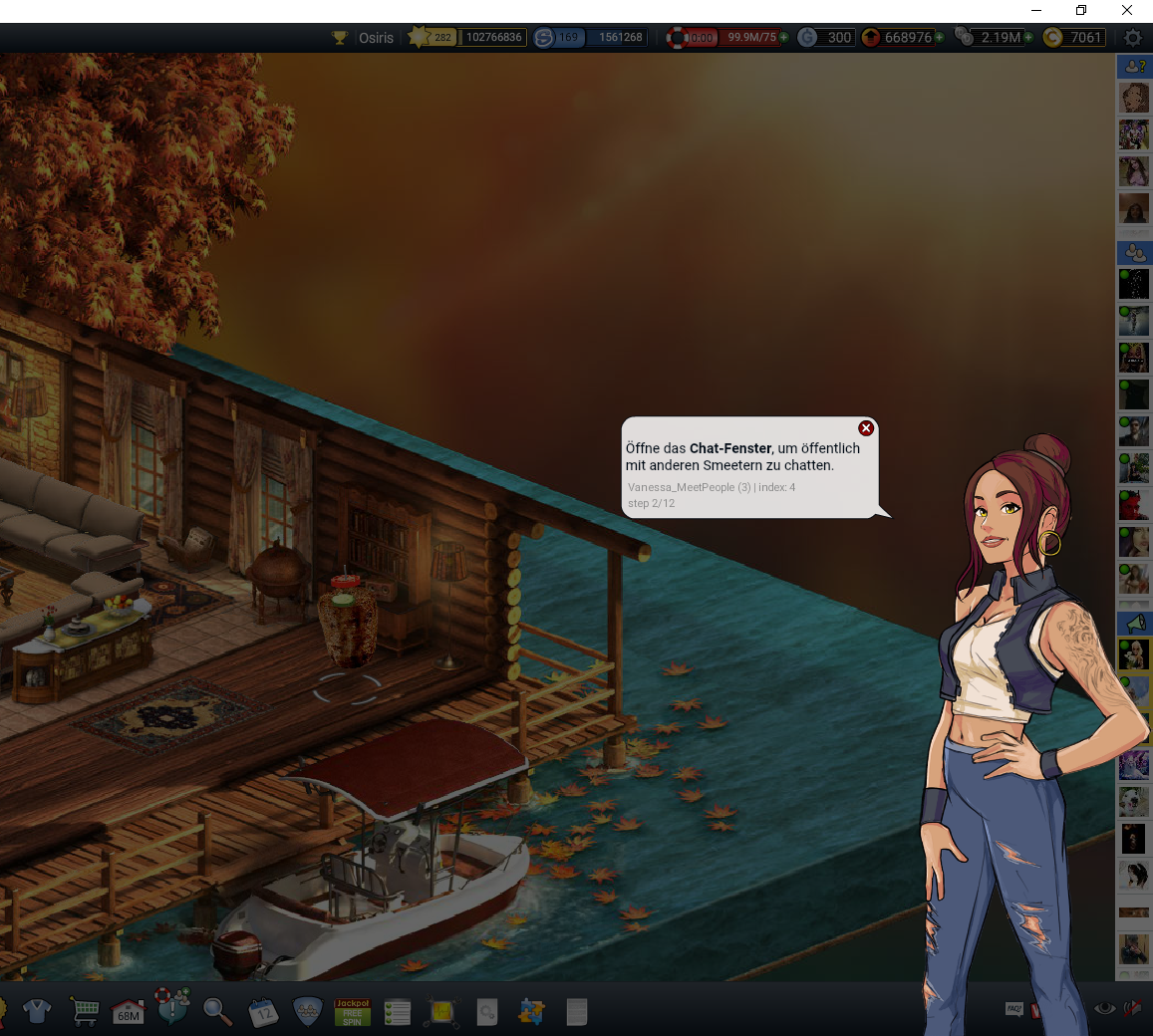
Tutorial cues were designed to emerge contextually — from zone entries, actions, and timers — rather than interrupting gameplay with modal blocks.

Extensive Debugging
Each tutorial iteration required thorough flow debugging. Edge cases — skips, disconnects, multi-step failures — were tracked and resolved across all platforms.

Precision from Day One
Because the Editor was built simultaneously, every UX decision had to be specified with engineering-level precision — leaving no room for interpretive gaps.
Testing also involved extensive hands-on debugging to ensure tutorial triggers fired naturally and without interrupting the experience.
01 Validation & Pivot
Early qualitative and quantitative testing revealed a critical insight: themed slot machines significantly improved retention metrics. This data-driven finding prompted a strategic pivot in our design approach, despite the added system complexity. User engagement data showed dramatic improvements even with the lower-fidelity prototype, as users were eager to invest, with engagement increasing up to 100%.



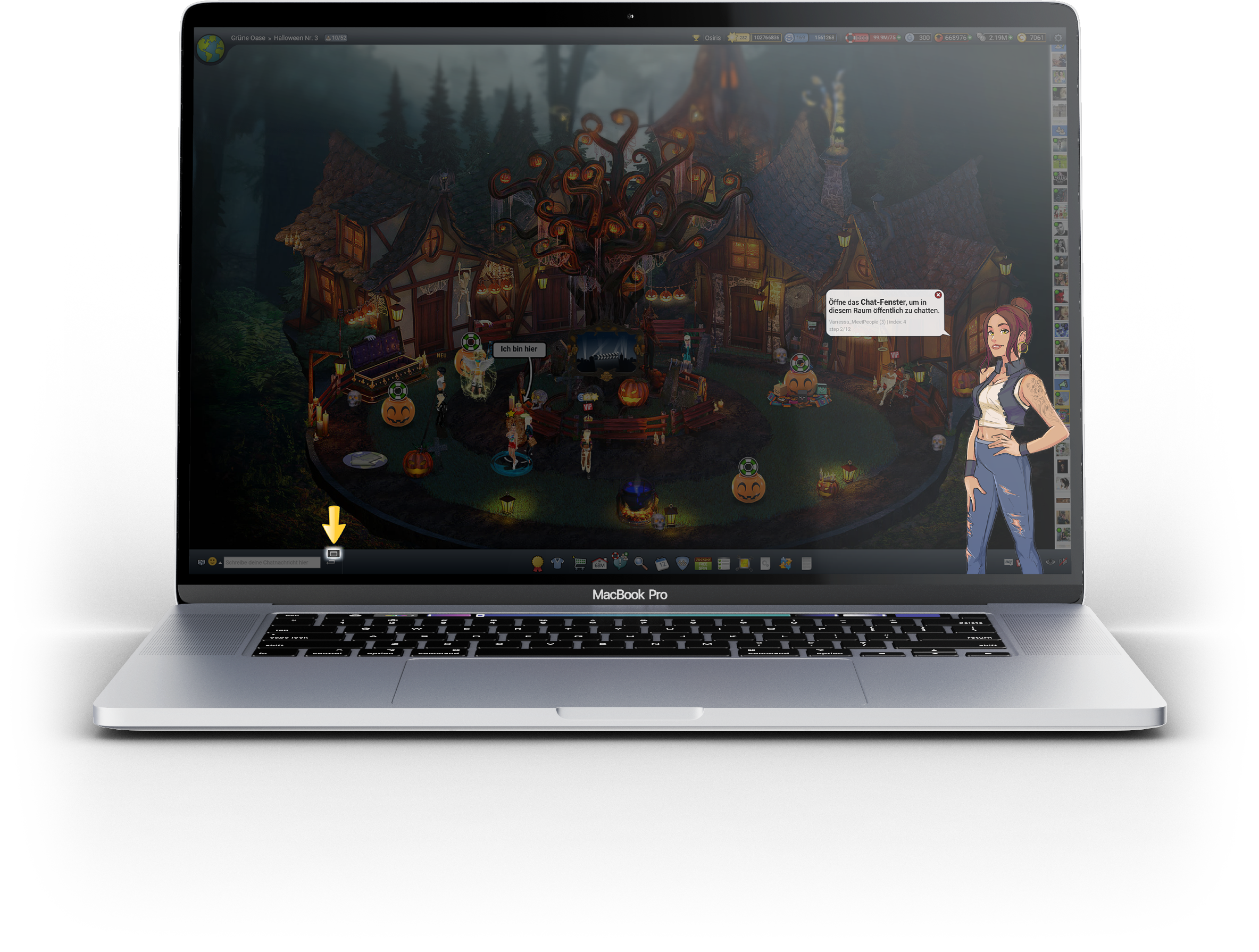

The Value of Tailored Tools
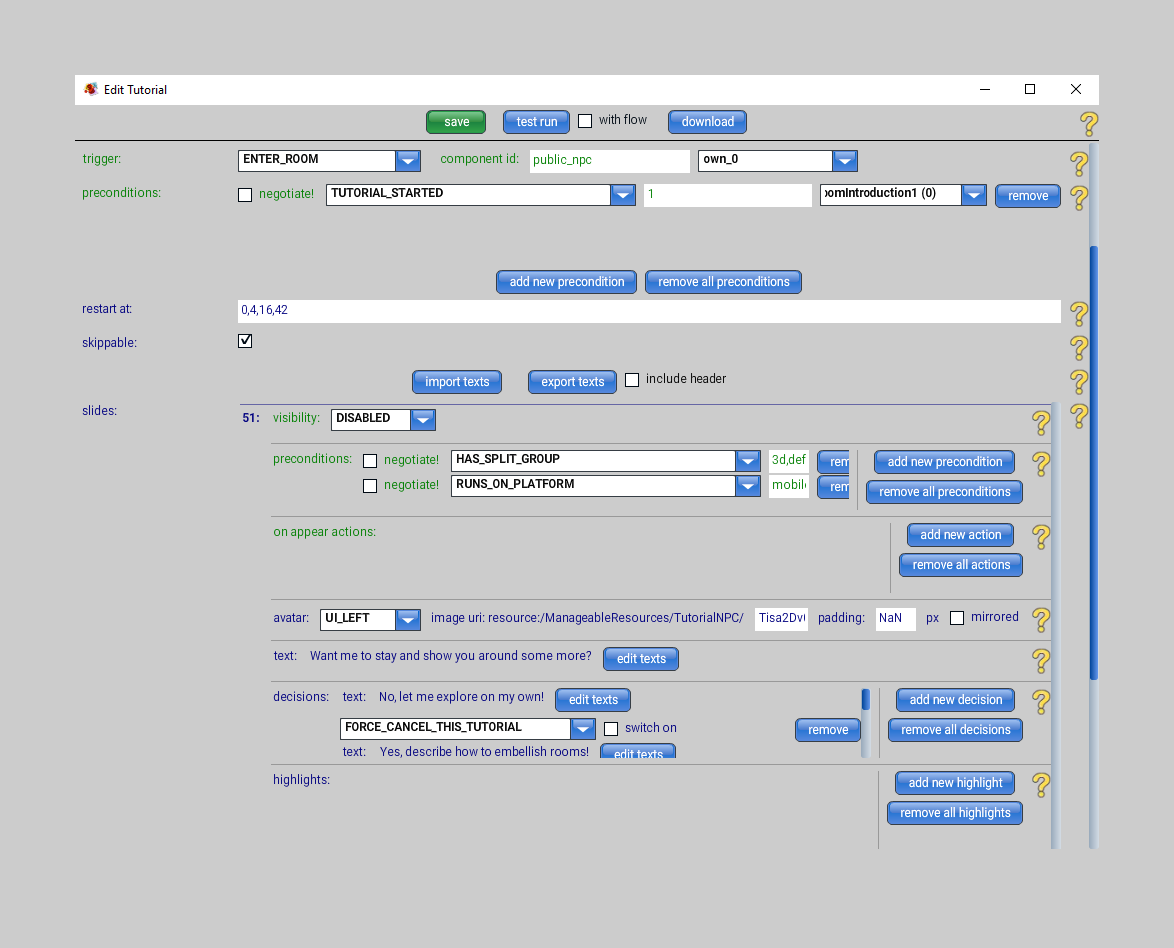
Developing a custom editor tailored specifically to the needs of tutorials underscored the value of investing in tools that simplify workflows and improve efficiency. By creating a solid framework, we not only addressed the immediate requirements but also laid the groundwork for scalability and seamless future updates.

The Cost of Tailored Tools

Increased Retention
I helped new players quickly grasp the game’s mechanics, reducing frustration and minimizing drop-offs. Additionally, I highlighted the game’s key features, ensuring players could recognize and engage with its most exciting aspects, significantly boosting the potential for long-term retention and enjoyment.

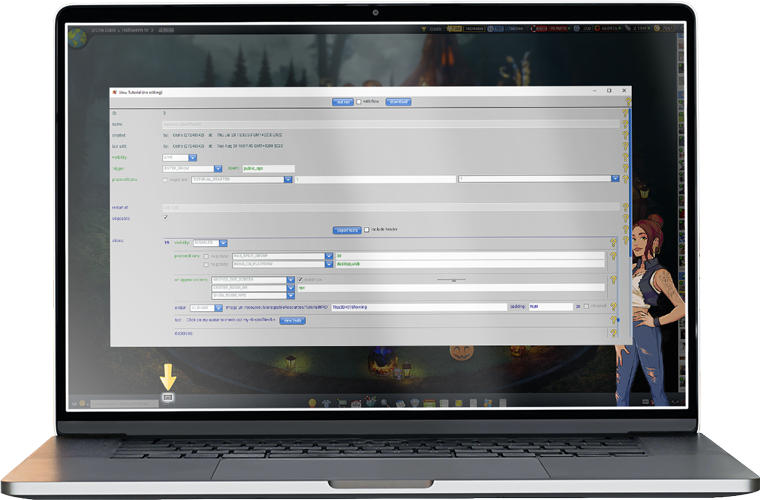
Editor within an Editor
Editor within an Editor We started the project from scratch, designing everything from the ground up. We developed a custom editor within the existing framework to meet the tutorial system’s unique needs, building a robust infrastructure to streamline tutorial creation and support future development.